
5 Things to Know Before Buying a Belgian Sheepdog Puppy
Quick answer: The Belgian Sheepdog — also called the Groenendael — is the elegant, long-haired black variety of the Belgian shepherd (22–26 inches, 40–75 lbs). It’s intelligent, devoted, highly sensitive, and high-energy, needing daily exercise plus a job for its mind. Expect a 12–14 year lifespan, a coat that sheds year-round and needs regular brushing, and a strong bond with its family that can tip into separation anxiety. Best for active owners who want a striking, deeply attached companion.
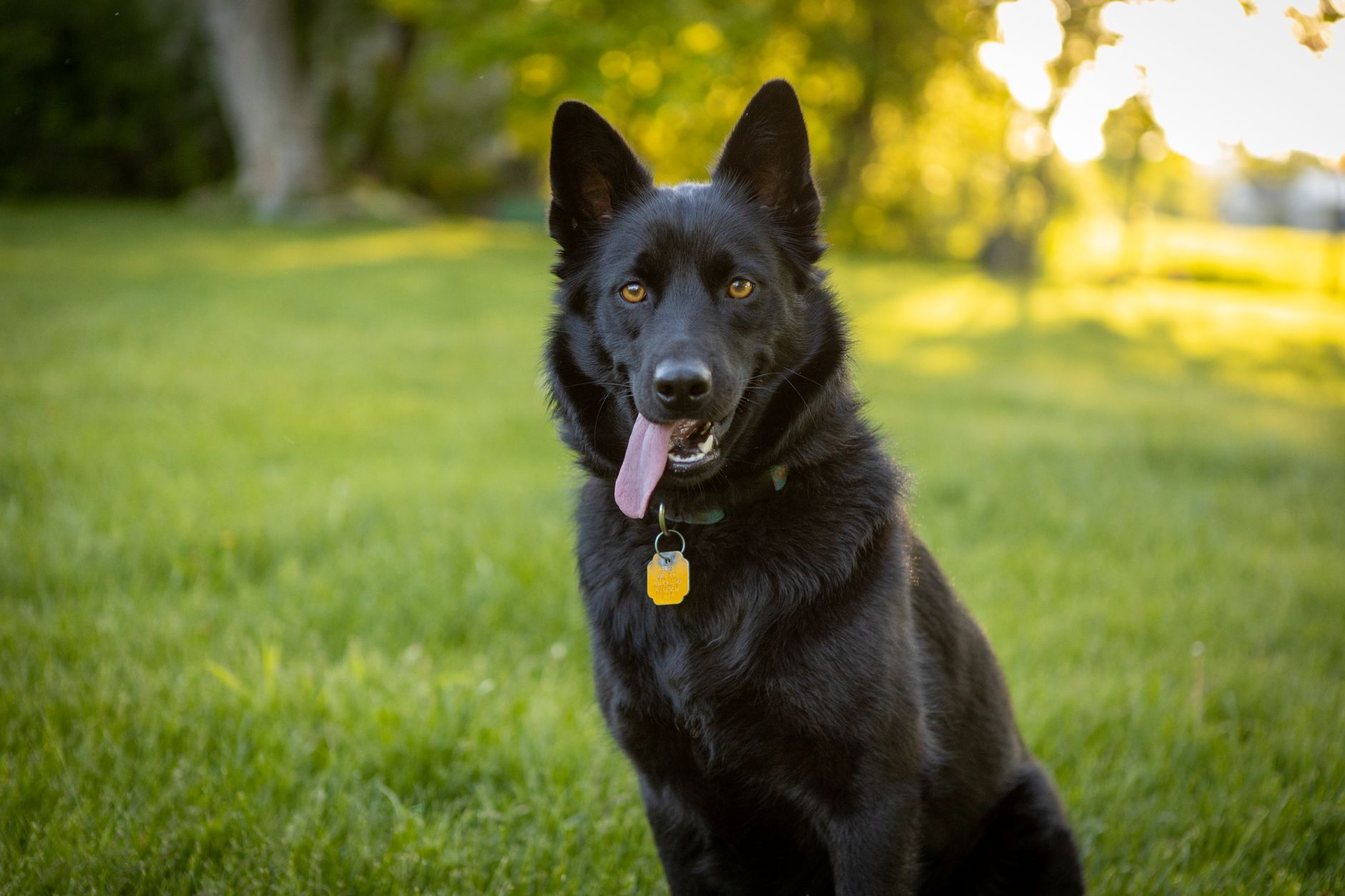
With its long, flowing black coat and graceful build, the Belgian Sheepdog is the most glamorous of the Belgian shepherd family. But under that elegant exterior is a hard-working herding dog with real needs. Know these five things before you commit, and you’ll set yourself up for a happy, well-matched partnership.
Belgian Sheepdog at a Glance
- Size: Medium to large — 22–26 inches tall
- Weight: About 40–75 lbs (males larger)
- Energy level: High — daily exercise plus mental work
- Temperament: Devoted, sensitive, alert, protective
- Coat: Long, dense, black (sheds year-round)
- Lifespan: 12–14 years
- Also known as: Groenendael
- Best for: Active owners wanting a devoted, attentive companion
1. It’s One of Four Belgian Shepherd Varieties
The Belgian Sheepdog is the U.S. name for the Groenendael, one of four closely related Belgian shepherd varieties developed in the late 1800s — alongside the Malinois (short fawn coat), the Tervuren (long fawn coat), and the Laekenois (rough coat). They were all once considered a single breed and were separated into distinct AKC breeds in 1959. What sets the Belgian Sheepdog apart is its long, rich black coat. In temperament it shares the family’s intelligence, drive, and devotion, though it’s often described as a touch softer and more sensitive than the Malinois.
2. They Need Real Exercise — and a Job for Their Mind
This is a working herding dog, and it shows. Belgian Sheepdogs are enthusiastic, athletic, and happiest in motion. Daily exercise — long walks, runs, and play — is the baseline, but like all the Belgians they truly thrive when they have a job to do. Channel that energy into dog sports such as agility, obedience, tracking, or herding, and you’ll have a focused, contented dog. Leave them under-stimulated and bored, and you’ll see the mischief and anxiety that come from a smart dog with nothing to do.
3. They’re Sensitive and Deeply Attached
Belgian Sheepdogs bond intensely with their families and want to be involved in everything. That devotion is a joy, but it has a flip side: the breed is highly sensitive and can be prone to separation anxiety if left alone for long stretches. They also tend to be alert and protective, sometimes reserved with strangers, so early and ongoing socialization is important. Training should be consistent and reward-based — this sensitive breed does not respond well to harshness. For the right owner who wants a dog that’s truly with them, the attachment is the whole point.
4. That Beautiful Black Coat Sheds
The long, dense black double coat is the breed’s signature, and it sheds year-round with heavier blowouts in spring and fall. Plan on brushing several times a week — and more during seasonal sheds — to control loose hair and prevent mats and tangles. The coat is built to resist a damp, cold climate, so it’s relatively low-fuss beyond brushing, but anyone who minds dog hair on the furniture should think twice. Routine nail trims, ear checks, and dental care round out the grooming routine.
5. Know the Health Profile and Lifetime Cost
Belgian Sheepdogs are generally healthy and typically live about 12 to 14 years. Like the other Belgian varieties, known risks include hip and elbow dysplasia, eye conditions such as progressive retinal atrophy, epilepsy, and some cancers. Buy only from a breeder who health-tests their dogs and lets you meet the parents. Find vetted breeders through the American Kennel Club and the Belgian Sheepdog Club of America, or contact a breed rescue if you’d rather adopt. Then plan for the lifetime costs of food, grooming, training, and vet care across a 12-plus year life.
The Bottom Line
The Belgian Sheepdog rewards an active, present owner with striking looks, keen intelligence, and profound loyalty — but it asks for daily exercise, real engagement, and company it can count on. Match its needs to your lifestyle honestly, and you’ll gain a devoted partner for over a decade. If you’re comparing the Belgian varieties, take a look at the other breeds in our directory before deciding.
Frequently Asked Questions
What is the difference between a Belgian Sheepdog and a Belgian Malinois?
The Belgian Sheepdog (also called the Groenendael) and the Belgian Malinois are two of the four Belgian shepherd varieties and share the same root stock and similar size. The main difference is the coat: the Belgian Sheepdog has a long, black coat, while the Malinois has a short fawn-to-mahogany coat with a black mask. The Belgian Sheepdog is often described as somewhat softer and more sensitive.
How much exercise does a Belgian Sheepdog need?
Belgian Sheepdogs are high-energy herding dogs that need plenty of daily exercise plus mental stimulation. Long walks, runs, play, and dog sports such as agility, obedience, or herding all suit them. Like the other Belgian varieties, they thrive when they have a job to do and can become bored or anxious without enough activity.
Are Belgian Sheepdogs good family dogs?
Yes, well-socialized Belgian Sheepdogs are devoted, affectionate, and protective family companions. They are highly sensitive and bond closely with their people, which also means they can be prone to separation anxiety if left alone too long. Early socialization and an active household suit them best.
Do Belgian Sheepdogs shed a lot?
Yes. The Belgian Sheepdog’s long, dense black double coat sheds year-round, with heavier seasonal shedding in spring and fall. Plan on brushing several times a week, and more during heavy sheds, to manage loose hair and prevent matting.
How long do Belgian Sheepdogs live, and what health issues do they have?
Belgian Sheepdogs typically live about 12 to 14 years. Like the other Belgian varieties, known risks include hip and elbow dysplasia, eye conditions such as progressive retinal atrophy, epilepsy, and some cancers. Buy from a breeder who health-tests their dogs.