
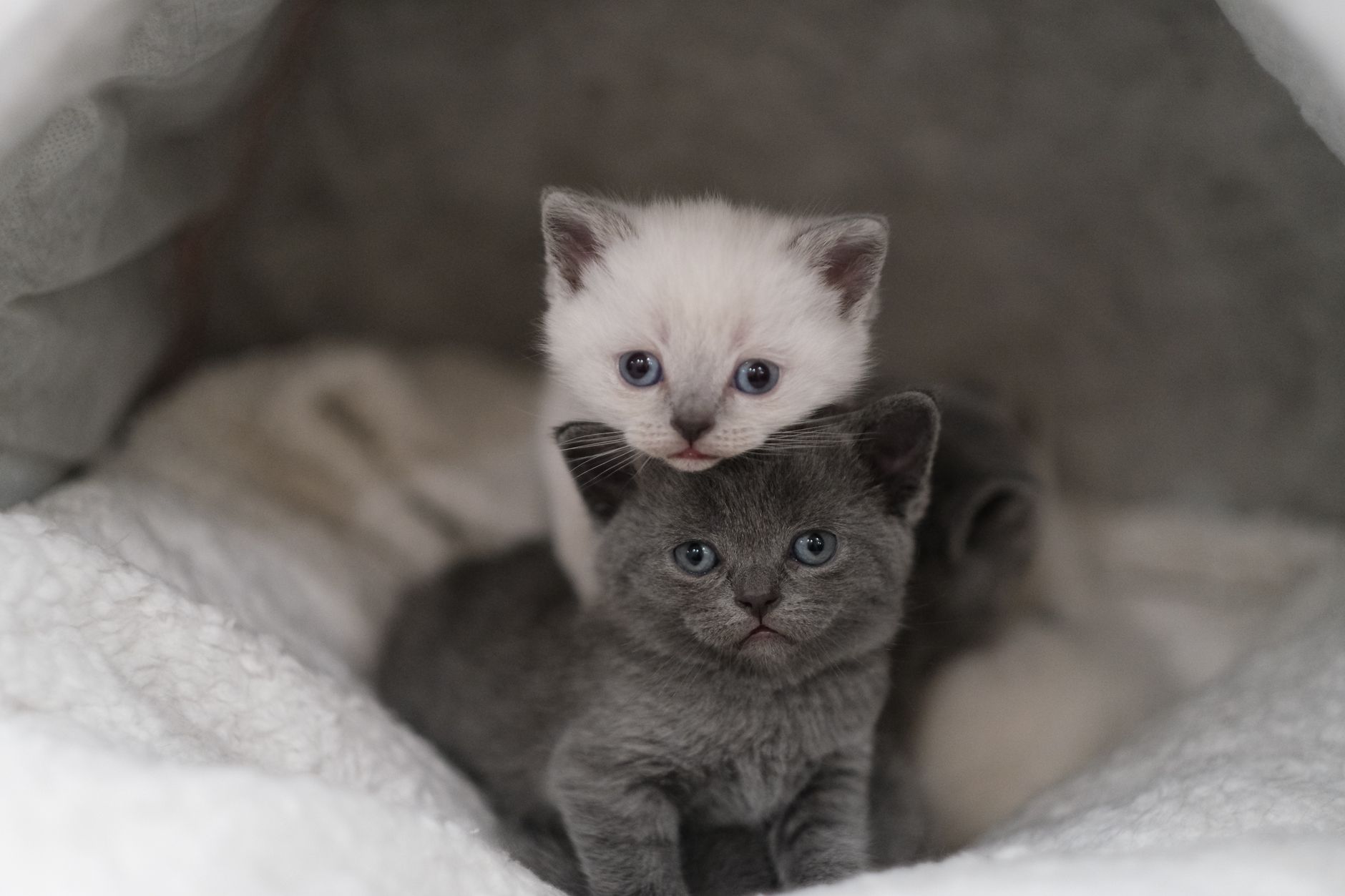
Quick answer: The most popular cat breeds in the United States are the Maine Coon, Ragdoll, Persian, Exotic Shorthair, and Devon Rex, based on the Cat Fanciers’ Association’s most recent registration data. The right breed for you depends on four things: how much grooming you’ll do, how much attention the cat demands, your household’s allergy sensitivity, and whether you want a calm lap cat or an athletic climber. Use the table below to compare all 50 breeds at a glance, then open a full guide for any breed on your shortlist.
Cats are the second most popular pet in America, but most people choose one by looks alone and discover the breed’s real personality, grooming workload, and health risks after the fact. This directory fixes that. Every breed below is listed with its origin, coat type, adult size, and the single most important thing owners say about living with it, so you can narrow 50 breeds to three finalists in a few minutes.
How to choose the right cat breed
Four factors predict whether a breed will fit your home far better than its photo does:
- Grooming workload. Longhaired breeds like the Persian and Himalayan need daily brushing to prevent mats. Rex and hairless breeds shed little but need skin care and regular baths.
- Attention level. Siamese, Burmese, Tonkinese, and Sphynx want to be involved in everything you do and struggle when left alone all day. British Shorthairs, Russian Blues, and Chartreux are content with quieter company.
- Allergies. No cat is truly hypoallergenic, but Siberians, Balinese, Russian Blues, and Devon and Cornish Rex are the breeds allergy sufferers most often tolerate. Meet the cat before you commit.
- Energy and space. Bengals, Abyssinians, Savannahs, and Egyptian Maus need cat trees, puzzle feeders, and daily play. Ragdolls, Ragamuffins, and Exotic Shorthairs are happy in a quiet apartment.
The 50 most popular cat breeds, compared
Breeds are ranked roughly by popularity. Click a breed name to open its full buyer’s guide covering temperament, grooming, health screening, and real yearly costs. Guides are being added in list order; breeds without a link are coming soon.
| # | Breed | Origin | Coat | Size | Why owners choose it |
|---|---|---|---|---|---|
| 1 | Maine Coon | USA | Long | Large (13–18 lb) | America’s gentle giant and CFA’s #1 breed; dog-like, water-curious, and slow to mature |
| 2 | Ragdoll | USA | Semi-long | Large | Goes limp when picked up; the ultimate calm lap cat for families |
| 3 | Persian | Iran | Long | Medium | Iconic looks that come with daily brushing and flat-face breathing and eye care |
| 4 | Exotic Shorthair | USA | Short | Medium | The “lazy man’s Persian”: same sweet face and health notes, far less grooming |
| 5 | Devon Rex | England | Short, wavy | Small–medium | Elfin face and pixie personality; low-shedding curls that need skin care |
| 6 | Abyssinian | Ethiopia / Southeast Asia | Short, ticked | Medium | Athletic, busy, and curious; needs vertical space and daily play |
| 7 | British Shorthair | England | Short, dense | Medium–large | The Cheshire Cat; calm, chunky, and slow to reach full size at 3–5 years |
| 8 | Siberian | Russia | Long, triple | Large | Often tolerated by allergy sufferers thanks to lower Fel d 1 levels |
| 9 | American Shorthair | USA | Short | Medium | The classic healthy family cat with a 15–20 year lifespan |
| 10 | Russian Blue | Russia | Short, plush | Medium | Shy with strangers, devoted at home; silver-blue coat and green eyes |
| 11 | Scottish Fold | Scotland | Short or long | Medium | Folded ears come with cartilage disease (OCD) in every cat; a welfare issue buyers must know |
| 12 | Sphynx | Canada | Hairless | Medium | Weekly baths, sweaters in winter, and regular HCM heart screening |
| 13 | Bengal | USA | Short, spotted or rosetted | Medium–large | Wild looks and water-loving; needs serious daily enrichment |
| 14 | Siamese | Thailand | Short | Medium | The talker; vocal, deeply bonded, and demanding of attention |
| 15 | Oriental | USA / England | Short or long | Medium | A Siamese body in more than 300 colors and patterns |
| 16 | Norwegian Forest Cat | Norway | Long, water-resistant | Large | The Viking ship cat; climbs down trees head-first |
| 17 | Burmese | Burma | Short, satin | Medium | A “brick wrapped in silk”; dog-like and people-focused |
| 18 | Cornish Rex | England | Short, marcel waves | Small–medium | Warm to the touch with a greyhound build; a perpetual kitten |
| 19 | Selkirk Rex | USA | Curly, short or long | Medium–large | The “cat in sheep’s clothing”; relaxed, patient, and cuddly |
| 20 | Tonkinese | USA / Canada | Short | Medium | Siamese crossed with Burmese; aqua eyes and a middle-ground temperament |
| 21 | Birman | France / Burma | Semi-long | Medium–large | The Sacred Cat of Burma with white “gloves” on every paw |
| 22 | Ragamuffin | USA | Long, rabbit-soft | Large | A Ragdoll relative with a broader range of colors and patterns |
| 23 | Egyptian Mau | Egypt | Short, naturally spotted | Medium | The only naturally spotted domestic breed and the fastest house cat |
| 24 | Ocicat | USA | Short, spotted | Medium–large | Wild spots with zero wild blood; outgoing and trainable |
| 25 | Turkish Angora | Turkey | Long, silky | Small–medium | Ancient breed; odd-eyed whites carry a deafness link worth screening |
| 26 | Turkish Van | Turkey | Semi-long | Large | The swimming cat; red-and-white “Van pattern” markings |
| 27 | Manx | Isle of Man | Short or long | Medium | Tailless; Manx syndrome spinal screening matters when buying |
| 28 | Japanese Bobtail | Japan | Short or long | Medium | Pom-pom tail; the “beckoning cat” of good-luck figurines |
| 29 | American Curl | USA | Short or long | Medium | Ears curl backward; handle them gently to protect the cartilage |
| 30 | Himalayan | USA | Long | Medium | Persian body with Siamese points; CFA counts it as a Persian division |
| 31 | Balinese | USA | Semi-long | Medium | A longhaired Siamese with the same voice and a softer coat |
| 32 | Somali | USA / Canada | Semi-long, ticked | Medium | A longhaired Abyssinian with a fox-like brush tail |
| 33 | Chartreux | France | Short, woolly | Medium–large | The smiling blue cat of French monasteries; quiet chirps instead of meows |
| 34 | Havana Brown | England / USA | Short | Medium | Rare chocolate-brown breed with a distinctive “corn cob” muzzle |
| 35 | Bombay | USA | Short, patent-leather | Medium | The “parlor panther”; copper eyes and a love of warm laps |
| 36 | Burmilla | England | Short or semi-long, tipped | Medium | An accidental Burmese × Chinchilla Persian cross with a sparkling coat |
| 37 | Singapura | Singapore | Short, ticked | Smallest breed (4–8 lb) | Big eyes, big ears, and endless curiosity in a tiny package |
| 38 | Korat | Thailand | Short, silver-tipped blue | Small–medium | Thailand’s good-luck cat with a heart-shaped face |
| 39 | LaPerm | USA | Curly, short or long | Medium | Barn-cat origins; soft ringlets and an affectionate nature |
| 40 | Peterbald | Russia | Hairless to brush coat | Medium | Oriental build with a Sphynx-like range of coat types |
| 41 | Donskoy | Russia | Hairless | Medium | Dominant hairless gene (unlike the Sphynx) and wrinkled skin |
| 42 | Lykoi | USA | Sparse, roan | Small–medium | The “werewolf cat”; a natural mutation first found in feral litters |
| 43 | Toyger | USA | Short, striped | Medium | Bred to look like a miniature tiger; still rare and pricey |
| 44 | Savannah | USA | Short, spotted | Large (F1 up to 25 lb) | Serval hybrid; legally restricted in several states and cities |
| 45 | Chausie | USA | Short | Large | Jungle cat hybrid that needs an experienced, active owner |
| 46 | Pixie-bob | USA | Short or long | Medium–large | Bobcat looks; polydactyl paws are allowed in the breed standard |
| 47 | Highlander | USA | Short or long | Large | Curled ears plus a bobbed tail; still experimental in most registries |
| 48 | Munchkin | USA | Short or long | Small (short legs) | Short-legged dwarf breed; a welfare debate worth covering honestly |
| 49 | Snowshoe | USA | Short | Medium | Siamese points with white “boots”; notoriously hard to breed to standard |
| 50 | Khao Manee | Thailand | Short, pure white | Medium | The “white gem”; often odd-eyed and newly CFA-recognized |
Breeds every buyer should research carefully
Four groups on this list come with health or legal realities that responsible guides must say plainly:
Flat-faced breeds: Persian, Exotic Shorthair, Himalayan
Brachycephalic cats can struggle with breathing, tear-duct drainage, and dental crowding. Choose a breeder who prioritizes a moderate face, budget for regular eye cleaning, and avoid heat and stress.
Scottish Fold
The gene that folds the ears also affects cartilage throughout the body. Every Scottish Fold develops osteochondrodysplasia to some degree, which can mean painful arthritis. Several registries and countries have restricted the breed; buyers should know this before falling for the look.
Munchkin
The short-legged dwarf mutation limits jumping and has been linked to spinal and chest abnormalities. The breed is not recognized by CFA and is banned from showing in several countries. Weigh the welfare debate honestly.
Hybrid breeds: Savannah and Chausie
Early-generation Savannahs (F1–F3) and Chausies carry recent wild ancestry. They are illegal or permit-restricted in states including Georgia, Hawaii, Nebraska, and Rhode Island, and in cities such as New York and Seattle. Check local law before buying.
Frequently asked questions
What is the most popular cat breed in the United States?
The Maine Coon is the most popular pedigreed cat breed in the U.S. according to the Cat Fanciers’ Association’s latest registration data, followed by the Ragdoll and the Persian. Among all cats, including those without papers, the domestic shorthair mixed-breed cat remains by far the most common pet.
Which cat breeds are best for first-time owners?
Forgiving, adaptable breeds with moderate energy suit first-time owners best: the American Shorthair, British Shorthair, Ragdoll, Birman, and Exotic Shorthair. Avoid high-demand breeds like the Bengal, Savannah, and Siamese until you have more experience.
Which cat breeds are hypoallergenic?
No breed is fully hypoallergenic, but Siberians, Balinese, Russian Blues, Devon Rex, Cornish Rex, and Sphynx produce less of the Fel d 1 allergen or shed less of it into the home. Spend time with an individual cat before adopting, since allergen levels vary cat to cat.
What is the calmest cat breed?
The Ragdoll, Ragamuffin, British Shorthair, Persian, and Exotic Shorthair are consistently described as the calmest breeds. All five are content with lap time and short play sessions rather than constant activity.
How much does a purebred cat cost?
Pedigreed kittens from reputable breeders typically cost $800 to $2,500, with rare or hybrid breeds such as the Savannah, Toyger, and Khao Manee running $3,000 to $20,000. Expect $1,000 to $2,500 per year in food, litter, routine veterinary care, and insurance, with longhaired and flat-faced breeds at the higher end.
Sources
- Cat Fanciers’ Association. Most Popular Breeds for 2026. Registration-based ranking of CFA-recognized breeds.
- Cat Fanciers’ Association. CFA Breed Standards and Profiles. Official descriptions for all 45 recognized breeds.
- The International Cat Association. TICA Breed Directory. Standards for breeds not recognized by CFA, including Savannah, Toyger, Highlander, and Munchkin.
- International Cat Care. Scottish Fold Disease (Osteochondrodysplasia). Veterinary summary of the breed’s cartilage disorder.
- Cornell Feline Health Center. Feline Health Topics. Breed-linked conditions including HCM and brachycephalic airway concerns.
This guide is for general education and is not a substitute for veterinary advice. Always meet a breeder in person, ask for health screening results, and consult your veterinarian before bringing a new cat home.