
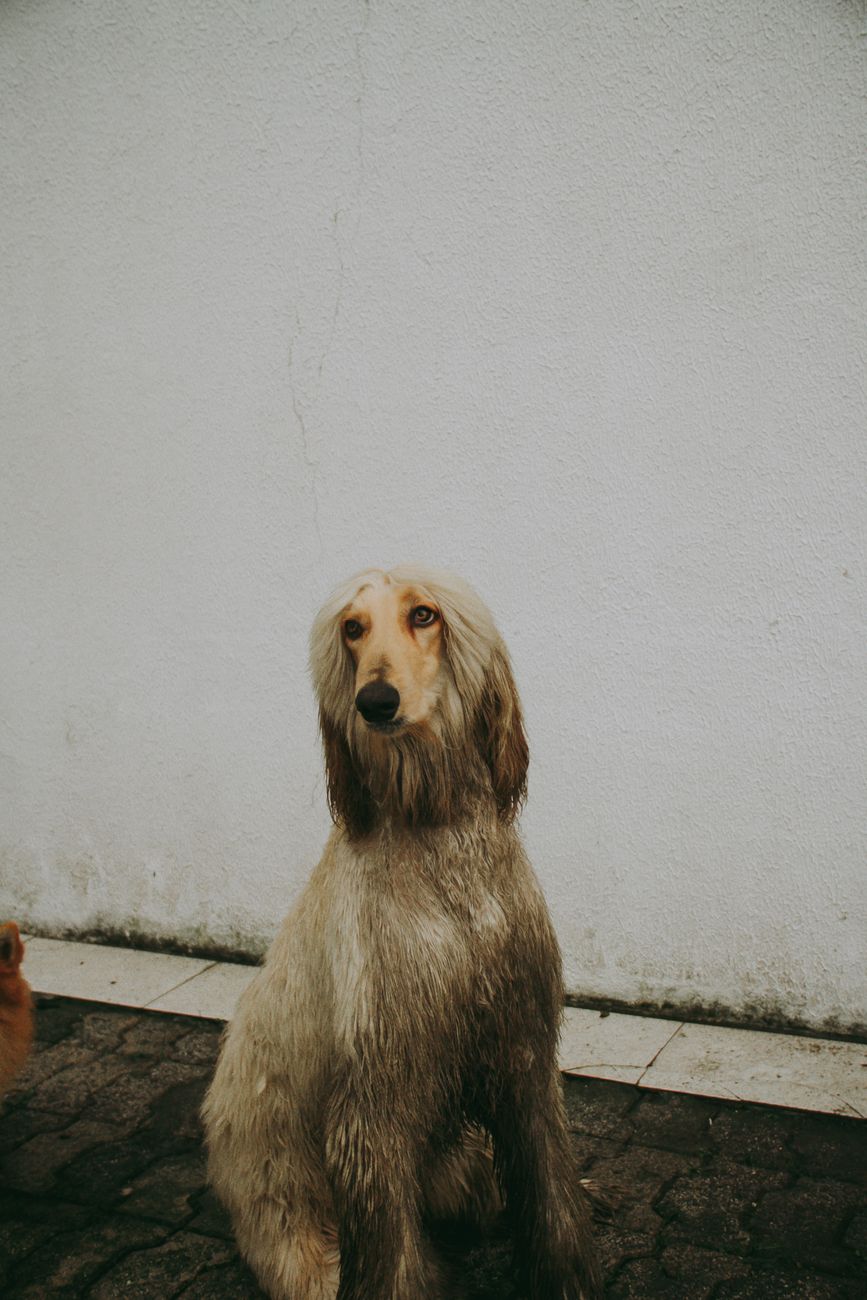
What to Know Before Buying a Afghan Hound Puppy
Quick answer: The Afghan Hound is a glamorous, independent sighthound with a 12 to 18 year lifespan, serious daily grooming and exercise needs, and a mind of its own. Expect roughly $2,000 to $3,500 from a health-tested breeder, budget hours per week for that coat, and accept up front that this is never a reliably off-leash dog in unfenced areas.
At a Glance
| Breed group | Hound (AKC recognized 1926) |
| Height | 25 to 27 inches at the shoulder |
| Weight | 50 to 60 pounds |
| Life expectancy | 12 to 18 years |
| Coat | Long, silky, fine single coat; heavy weekly grooming commitment |
| Typical puppy price | $2,000 to $3,500 from a health-tested breeder |
| Health tests to verify | OFA hip evaluation, eye exam (CAER), and thyroid panel on both parents |
| Best for | Experienced, patient owners with a securely fenced yard and time for daily exercise and coat care |
1. Independent is the defining trait, not a flaw
The Afghan Hound was bred to course game across mountain terrain far ahead of its handler, making decisions alone at 40 miles per hour. Thousands of years of that job produce a dog that is dignified, aloof with strangers, deeply attached to its family on its own terms, and spectacularly uninterested in obeying for obedience’s sake. Afghans routinely rank near the bottom of “working intelligence” lists, which measures eagerness to repeat commands, not actual smarts. Owners will tell you the breed is plenty clever; it simply weighs your request against its own judgment first.
If you want a dog that hangs on your every word, this is the wrong breed. If you appreciate a cat-like, elegant companion that is calm and quiet indoors and clownish with people it loves, the Afghan is one of a kind.
2. The coat is a part-time job
That flowing, silky coat is the breed’s signature and its biggest ongoing cost. Unlike a double-coated breed, the Afghan’s fine single coat mats fast, and mats near the skin are painful to remove. Plan on thorough line-brushing several times a week on a mist-dampened coat (never dry), plus a full bath and blow-dry roughly weekly for a dog in full coat. Many pet owners eventually opt for a shorter “puppy cut,” which trades the iconic look for sanity.
Budget for quality tools, a grooming table, and either several hours a week of your own time or standing appointments with a groomer who actually knows the breed. Adolescence is the worst stretch: the soft puppy coat changes over around 9 to 14 months and mats almost overnight if neglected.
3. Health and the sighthound anesthesia issue
Afghans are a generally healthy, long-lived breed for their size, with some living well past 14. The conditions to screen for are hip dysplasia, hereditary eye problems such as cataracts, and autoimmune thyroiditis, so verify OFA hip, eye (CAER), and thyroid results on both parents through the OFA database before committing. Ask the breeder about bloat awareness too, since deep-chested breeds carry elevated risk, and discuss whether they recommend a preventive gastropexy at spay or neuter.
One thing every Afghan owner must know: like all sighthounds, the breed’s low body fat changes how it processes certain anesthetics and sedatives. Any competent vet can manage this, but make sure yours has sighthound experience and flags it in the chart from the first visit.
4. Exercise: a fenced sprint beats a long march
An adult Afghan needs real daily exercise, but the shape of it matters. This is a sprinter, not an endurance plodder: the ideal routine is a couple of brisk leashed walks plus regular opportunities to gallop flat-out in a securely fenced area. Lure coursing and Fast CAT events are tailor-made outlets that many Afghans love.
The non-negotiable part is containment. An Afghan that spots a squirrel, cat, or plastic bag on the wind can be a quarter mile away in under a minute and will not hear you calling. Treat off-leash freedom in unfenced areas as permanently off the table, and check that fencing is at least six feet, since these are athletic jumpers.
5. Is an Afghan Hound right for your household?
The Afghan suits owners who find the independence charming rather than infuriating, who genuinely enjoy grooming or can pay for it, and who have secure fencing and time for daily exercise. They are usually quiet, clean, low-odor housemates, gentle with respectful older children, and fine with dogs of similar size. Small pets are a genuine risk given the prey drive, and toddlers plus a reserved, touch-sensitive dog is a poor combination.
Start with the Afghan Hound Club of America breeder referral resources, expect a conversation about your fencing and grooming plans, and be patient: well-bred Afghan litters are not common, and a modest waitlist is normal.
Frequently Asked Questions
How much does an Afghan Hound puppy cost?
Expect roughly $2,000 to $3,500 from a reputable breeder who health-tests both parents, with show prospects costing more. Factor in ongoing costs too: professional grooming or serious tool and time investment, quality food for a large athletic dog, and secure fencing if you do not already have it.
Are Afghan Hounds hard to train?
They are independent rather than unintelligent. Afghans learn quickly but comply selectively, so short, positive, food-motivated sessions work far better than repetition or corrections. Housetraining is usually straightforward; reliable recall is the genuine exception and should never be trusted off leash in open areas.
How much grooming does an Afghan Hound really need?
A dog in full coat needs line-brushing several times a week and a bath with a full blow-dry roughly weekly, several hours in total. The coat should be brushed damp, never dry, to avoid breakage and matting. A shorter pet trim cuts that dramatically, and the adolescent coat change around 9 to 14 months is the highest-maintenance period.
Are Afghan Hounds good family dogs?
With respectful older children, yes: they are gentle, quiet, and clean in the house. They are a poor match for toddlers, who find their aloofness confusing and their touch sensitivity easy to trip, and their strong prey drive makes cats and small pets a real risk unless raised together and always supervised.
Read the official AKC breed standard
Sources
Afghan Hound Club of America
Orthopedic Foundation for Animals (OFA)
Canine Health Information Center (CHIC)
AKC Marketplace