
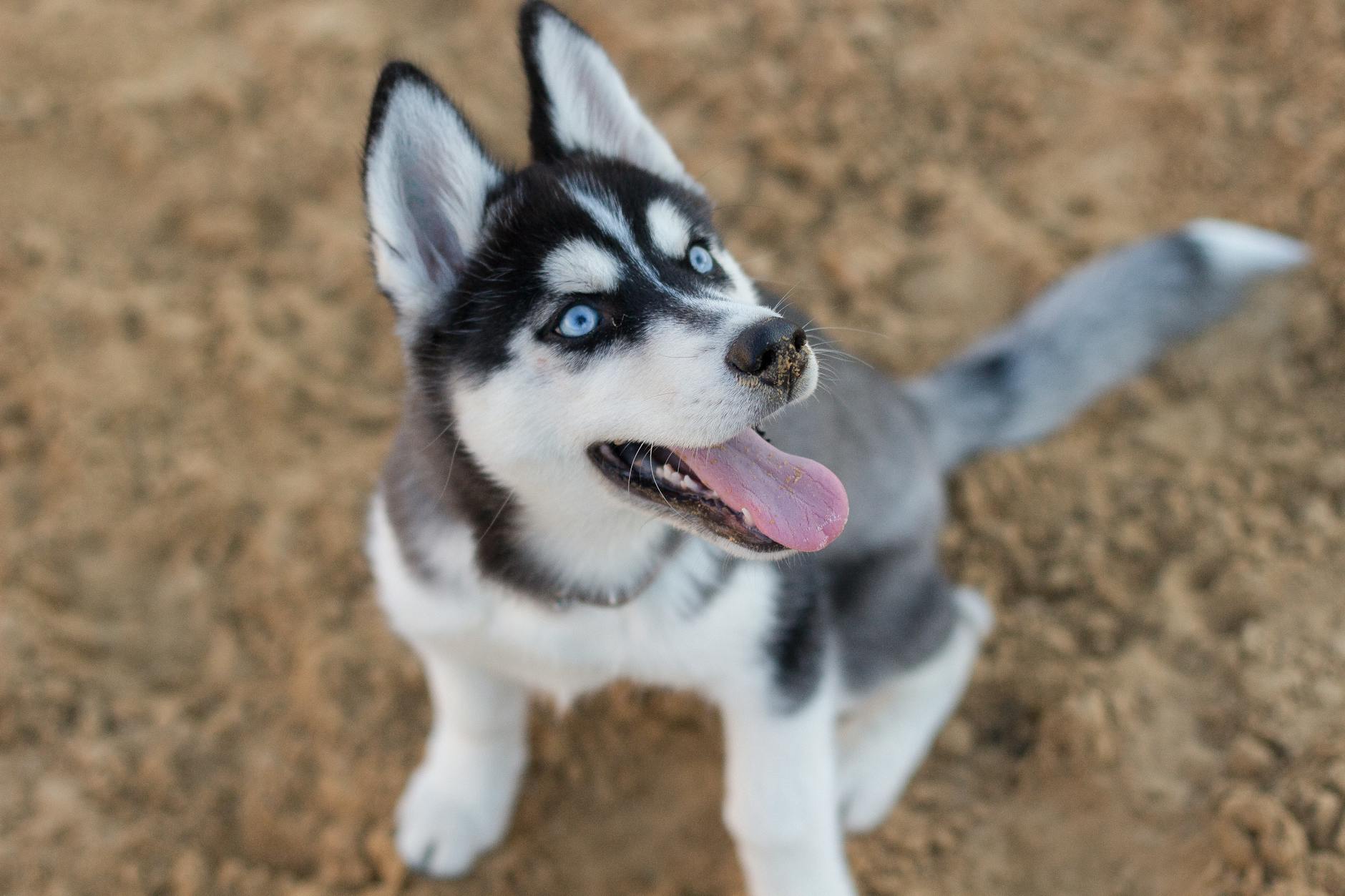
What to Know Before Buying an Alaskan Klee Kai Puppy
Quick answer: The Alaskan Klee Kai looks like a shrunk-down Husky but is its own breed: a rare, reserved, vocal little northern dog with high prey drive and escape-artist skills. It is UKC recognized and now in the AKC’s Miscellaneous Class on the road to full recognition. Expect roughly $1,800 to $3,500 from a health-tested breeder, plan for twice-yearly coat blows, and verify patella, cardiac, eye, thyroid, and Factor VII results on both parents.
At a Glance
| Recognition | UKC recognized 1997; AKC Miscellaneous Class since June 2025, working toward the Non-Sporting Group[3] |
| Height | Three sizes: toy (up to 13 inches), miniature (13 to 15 inches), standard (15 to 17 inches) |
| Weight | Roughly 6 to 25 pounds depending on size variety |
| Life expectancy | 13 to 16 years |
| Coat | Double coat in black and white, gray and white, or red and white; sheds, with two heavy seasonal blows[2] |
| Typical puppy price | $1,800 to $3,500 from a health-tested breeder; rare breed with waitlists |
| Health tests to verify | Patella, cardiac, eye (CAER), and thyroid evaluations, plus the Factor VII deficiency DNA test[5] |
| Best for | Active households that want a small, smart, athletic companion and can live with vocal, reserved, high-prey-drive northern breed traits |
1. It looks like a mini Husky, but it isn’t one
The Klee Kai was created in Alaska by Linda Spurlin in the 1970s and 80s, blending Alaskan and Siberian Huskies with smaller breeds to produce a companion-sized dog with the northern look, and the name comes from Athabaskan words for “little dog.”[1] The Husky face is what sells the breed, but the temperament is meaningfully different. Where Siberians tend to greet the world like everyone is a friend, Klee Kai are typically devoted and playful with their own people and reserved, even suspicious, with strangers. Early, ongoing socialization is what keeps that watchfulness from tipping into skittishness.
They are also thoroughly northern in the ways that matter: intelligent, agile, vocal, with howls, “talking,” and a piercing complaint scream, and equipped with real prey drive and a talent for escaping over, under, or through fences. They are clever, trainable little athletes that excel at agility, but they are not an easy-care lap breed wearing a Husky costume.
2. Finding a puppy in a rare, in-demand breed
Only a few thousand Klee Kai exist nationwide, and demand driven by the “mini Husky” search trend far exceeds supply.[2] That combination produces two predictable problems: long waitlists at reputable breeders, often six months to well over a year, and a thriving market of scams and mislabeled dogs. “Mini Husky,” “Miniature Husky,” and “Pomsky” are not Alaskan Klee Kai, and legitimate Klee Kai come with UKC registration, which the breed community treats as the baseline for a genuine AKK.[1]
Start with the Alaskan Klee Kai Association of America, the UKC parent club, which maintains a breeder list tied to a code of ethics, and note that the Alaskan Klee Kai Club of America serves as the AKC parent club guiding the breed toward full recognition.[3] A good breeder will show UKC papers and health testing without being asked twice, and will take the dog back at any point in its life.
3. Health testing to verify before you buy
The Klee Kai is a young breed built from a small foundation population, which makes health testing and honest breeders especially important. The screening list centers on luxating patellas, cardiac issues, eye disease including juvenile cataracts, autoimmune thyroiditis, and Factor VII deficiency, an inherited clotting disorder with a simple DNA test that responsible breeders use to avoid producing affected puppies.[5] Verify both parents’ results yourself on the OFA website[4] rather than taking a verbal assurance, and ask whether the litter’s Factor VII status is clear, carrier, or affected.
Liver shunts appear occasionally in the breed as well, so ask your breeder and vet about bile acid testing if a puppy seems small or unthrifty. The upside of good breeding in this breed is longevity: a healthy Klee Kai commonly lives into its mid-teens.
4. The coat blows out twice a year
Like its Husky relatives, the Klee Kai wears a true double coat that needs no trimming and stays remarkably clean, but sheds year-round and blows its undercoat twice a year over a couple of weeks, during which daily brushing is the only way to stay ahead of the fur.[2] Outside coat-blow season, weekly brushing is plenty, and the coat should never be shaved.
If a low-shedding dog is on your requirements list, this is not your breed, and no honest breeder will tell you otherwise.
5. Is a Klee Kai right for your household?
For active adults and families with respectful older kids, a Klee Kai is a portable, clever, entertaining companion that can hike all day and then curl up on the couch. The honest cautions: their reserve means poorly socialized dogs can be nippy or fearful with grabby toddlers and chaotic households, their vocals test apartment walls and patience, cats and small pets are at genuine risk from prey drive, and a bored, under-exercised Klee Kai will scream, dig, and escape. Fencing needs to be secure at the top and the bottom.
Plan on socialization as a standing weekly commitment through adolescence, a securely fenced yard inspected like a jailer, and accepting that a northern breed with prey drive will never be a reliable off-leash dog in unfenced areas.
Frequently Asked Questions
How much does an Alaskan Klee Kai puppy cost?
Expect roughly $1,800 to $3,500 from a reputable, health-testing breeder in the United States, with waitlists of six months or more. The breed’s rarity and “mini Husky” popularity make it a magnet for scams, so treat bargain pricing, immediate availability, and missing UKC registration as deal-breakers.
Are Alaskan Klee Kai good family dogs?
They can be, for families with older, respectful children who understand a reserved dog. Klee Kai are devoted and playful with their own people but naturally wary of strangers and easily overwhelmed by grabby toddlers and chaos. Early, consistent socialization matters more in this breed than in most.
Do Alaskan Klee Kai shed?
Yes. The double coat sheds year-round and blows out heavily twice a year, when daily brushing becomes necessary for a couple of weeks. Outside those seasonal blows, weekly brushing is enough, the coat needs no trimming, and it should never be shaved.
What is the difference between an Alaskan Klee Kai and a Siberian Husky?
Size and temperament. The Klee Kai tops out around 17 inches and 25 pounds, versus a Siberian’s 35 to 60 pounds, and it is a distinct breed, not a miniaturized Husky. Klee Kai are typically reserved with strangers where Siberians are famously social, and they make alert little watchdogs, which Huskies rarely do.
Read the official UKC breed standard
Sources
- Alaskan Klee Kai Association of America (UKC parent club: breed history, breeder list, code of ethics)
- United Kennel Club: Alaskan Klee Kai Breed Standard
- Alaskan Klee Kai Club of America (AKC parent club: FSS and Miscellaneous Class status)
- Orthopedic Foundation for Animals (OFA)
- Canine Health Information Center (CHIC): Breed Testing Requirements
- OFA: Companion Animal Eye Registry (CAER) Eye Certification
- American Kennel Club: Alaskan Klee Kai