
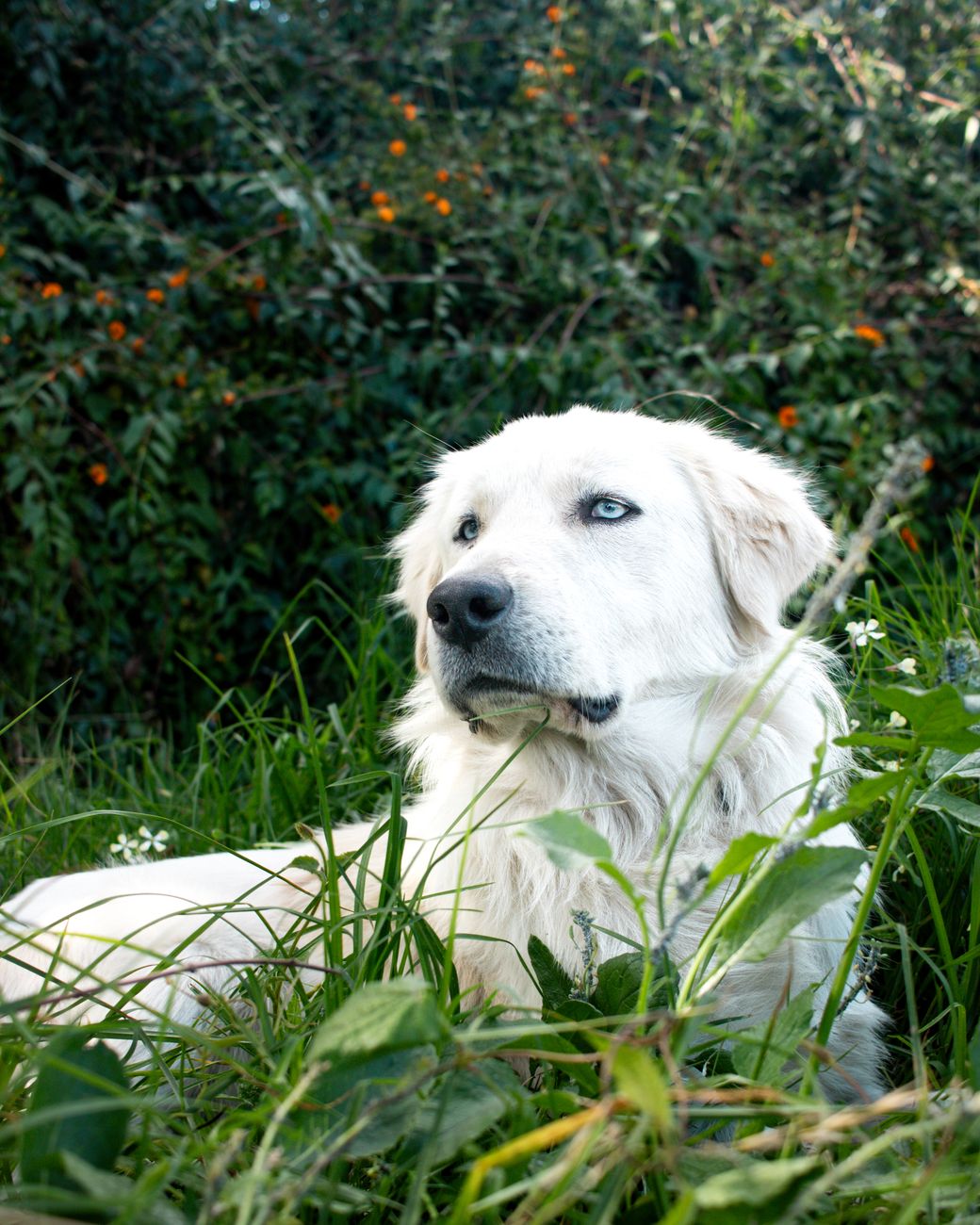
What to Know Before Buying an Akbash Puppy
Quick answer: The Akbash is a rare Turkish livestock guardian, a white, 75 to 140 pound working dog bred to protect flocks independently, not a conventional family pet. It is UKC recognized but not an AKC breed. Expect roughly $800 to $1,500 from a reputable breeder, plan for serious fencing and space, and verify OFA hip and elbow results on both parents before you commit.
At a Glance
| Type | Livestock guardian dog; UKC Guardian Dog Group (recognized 1998); not AKC recognized |
| Height | 28 to 34 inches at the shoulder; females smaller than males |
| Weight | 75 to 140 pounds |
| Life expectancy | 10 to 12 years |
| Coat | White double coat, medium or long; sheds year-round with heavy seasonal blows |
| Typical puppy price | $800 to $1,500 from a reputable breeder; proven working lines and imports can run higher |
| Health tests to verify | OFA hip and elbow evaluations; cardiac and eye exams a plus |
| Best for | Farms, ranches, and rural homes with livestock or serious acreage; experienced owners only as a companion |
1. This is a livestock guardian first
The Akbash, whose name is Turkish for “white head,” was developed by shepherds in western Turkey to live with sheep and protect them from wolves, working at a distance from people and making its own decisions. The breed came to North America in the 1970s and performed well enough that the U.S. Department of Agriculture used Akbash Dogs in its predator control program starting in 1980. That resume tells you what you are buying: an independent, watchful, territorial dog that bonds to its charges, patrols its perimeter, and treats anything unfamiliar as a potential threat until proven otherwise.
With their own families, well-raised Akbash are calm, gentle, and surprisingly low-key indoors. But guardian instincts are not trained in and cannot be trained out. Expect wariness with strangers, serious barking, especially at night when predators move, and a dog that obeys when your request makes sense to it. Obedience-class recall and dog-park sociability are not what this breed was built for.
2. Finding a puppy in a rare breed
Akbash Dogs are rare in the United States, and the buyer pool splits into two groups: ranchers who need a working guardian and homeowners drawn to the breed’s looks and devotion. Good breeders raise their litters accordingly, with working prospects raised on stock and companion prospects raised with more human handling, so be honest about which dog you are looking for. A puppy from proven working parents placed as a pet, or vice versa, is a mismatch that fails both the dog and the buyer.
Start with the Akbash Dog Association of America, the breed’s oldest North American club, and note that the breed is registered through the United Kennel Club rather than the AKC. Be wary of anyone selling “Akbash” puppies without registration or pedigree documentation, since white livestock guardian crosses are common in farm country and are often sold under the breed’s name.
3. Health testing to verify before you buy
The Akbash is a generally healthy, long-lived breed for its size, but the concerns are the standard giant-breed list: hip dysplasia, elbow dysplasia, and bloat (gastric dilatation-volvulus), plus occasional eye and cardiac issues. Because the breed has no AKC parent club, there is no formal CHIC testing program, which makes it even more important to ask breeders directly what they test and to verify results yourself on the OFA website. OFA hip and elbow evaluations on both parents should be your minimum.
Bloat deserves special attention with any deep-chested giant breed: learn the emergency signs, feed multiple smaller meals, and discuss preventive gastropexy with your vet. It is also worth asking about longevity in the pedigree, since a guardian expected to work outdoors needs sound structure to stay comfortable for a decade or more.
4. The white coat sheds, a lot
Unlike the wiry terrier coats, the Akbash wears a true double coat, medium or long, that sheds year-round and blows out heavily in spring and fall. Weekly brushing keeps it manageable most of the year, with daily sessions during coat blows, and the coat’s natural weather resistance means it should never be shaved. The good news is that it is a wash-and-wear working coat: dirt tends to fall away as it dries, and no professional styling is required.
If a low-shedding dog is on your requirements list, this is not your breed, and if anyone markets an Akbash to you as hypoallergenic, walk away from that breeder entirely.
5. Is an Akbash right for your household?
The honest answer: the Akbash is a poor fit for suburban and urban life. The barking alone, which is the breed doing its job, strains neighbor relations, and a territorial 100 pound guardian needs secure five to six foot fencing and room to patrol. On a farm or ranch with stock to protect, or a rural property with acreage and an experienced owner, the breed is calm, devoted, and quietly magnificent. With their own family’s children, well-socialized Akbash are typically gentle and protective, but visiting kids’ rough play can be misread as a threat, so management matters.
Plan on early, extensive socialization if the dog will live as a companion, secure fencing before the puppy comes home, and accepting that a breed designed to work independently a hillside away from its shepherd will never be a reliable off-leash dog in unfenced areas.
Frequently Asked Questions
How much does an Akbash puppy cost?
Expect roughly $800 to $1,500 from a reputable breeder in the United States, with proven working lines and imported dogs costing more. Because the breed is rare, you may need to travel or wait for a litter. Very cheap unregistered puppies are often livestock guardian crosses sold under the Akbash name.
Are Akbash dogs good family pets?
Only for the right family. With their own people, well-socialized Akbash are calm, gentle, and devoted, but they remain territorial guardians that bark seriously, distrust strangers, and need space and secure fencing. They are best suited to rural homes and experienced owners, not apartments or busy suburban neighborhoods.
Do Akbash dogs shed?
Yes, heavily. The white double coat sheds year-round and blows out dramatically in spring and fall. Weekly brushing, stepped up to daily during seasonal shedding, keeps it under control. The coat is naturally dirt-shedding and weather resistant, and it should never be shaved.
What is the difference between an Akbash and a Great Pyrenees?
Both are white livestock guardians, but they come from different regions and lines. The Akbash is a Turkish breed, generally leaner, leggier, and more athletic, with sighthound influence in its build, while the Great Pyrenees is a heavier-boned French breed with a thicker coat. The Akbash is UKC recognized; the Pyrenees is an AKC breed.
Read the official UKC breed standard
Sources
Akbash Dog Association of America
United Kennel Club: Akbash Breed Standard
Orthopedic Foundation for Animals (OFA)