
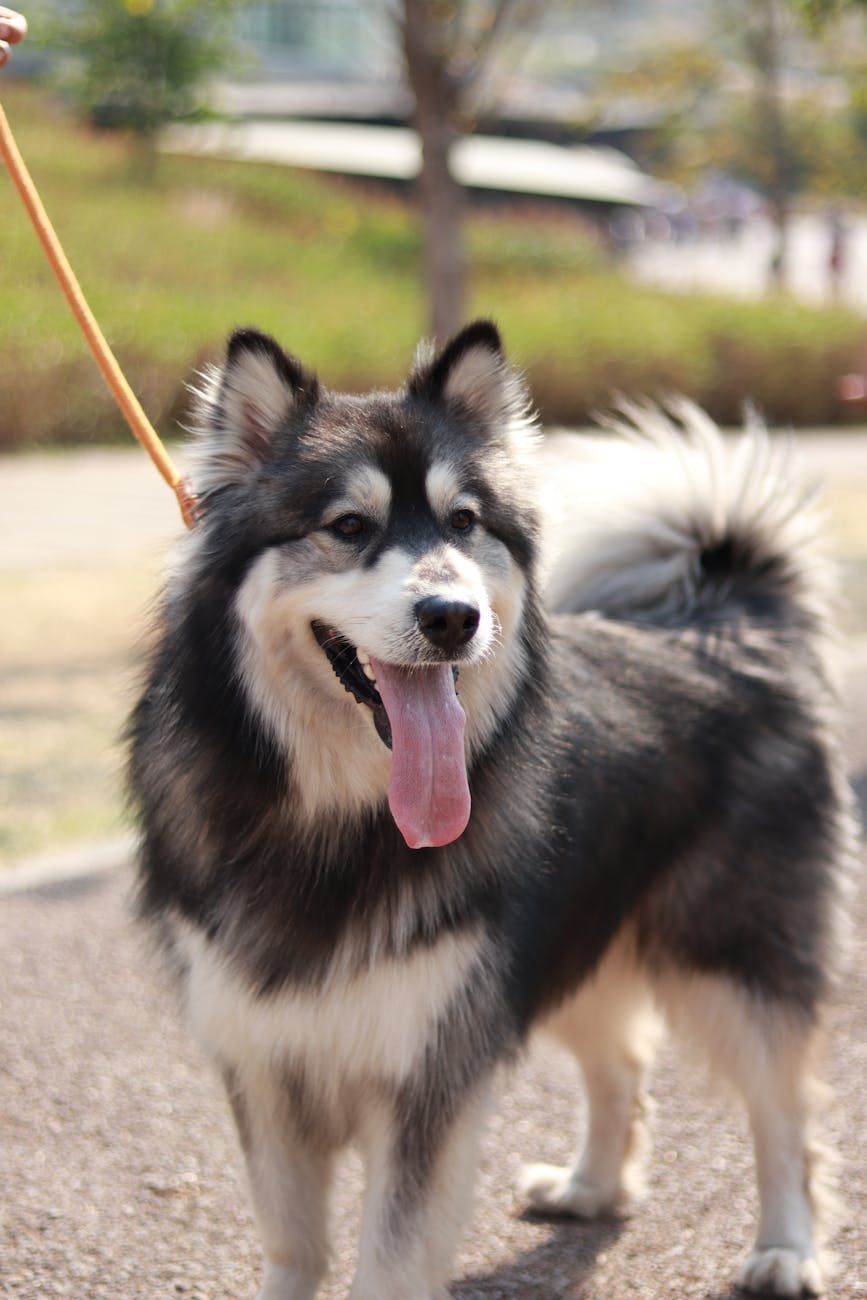
What to Know Before Buying an Alaskan Malamute Puppy
Quick answer: The Alaskan Malamute is a powerful 75 to 100 pound arctic freighting dog: affectionate with people, strong-willed, built to pull, and a truly heavy shedder. Expect roughly $1,200 to $2,500 from a health-tested breeder, plan for serious daily exercise and secure fencing, and verify OFA hip and eye results plus the polyneuropathy DNA test on both parents before you commit.
At a Glance
| Breed group | Working (AKC recognized 1935)[2] |
| Height | Males around 25 inches; females around 23 inches |
| Weight | Typically 75 to 100 pounds; the standard calls for 85 pound males and 75 pound females |
| Life expectancy | 10 to 14 years |
| Coat | Thick, weatherproof double coat; sheds heavily year-round with dramatic seasonal blows |
| Typical puppy price | $1,200 to $2,500 from a health-tested breeder; show and working lines can run higher |
| Health tests to verify | OFA hip evaluation, eye exam (CAER), and the Alaskan Malamute polyneuropathy DNA test[4] |
| Best for | Active, physically capable owners who want an affectionate, athletic companion and can commit to exercise, training, and fur |
1. A freighting dog with a freight train’s will
The Malamute is one of the oldest arctic sled breeds, developed by the Mahlemut people of Alaska to haul heavy loads over long distances, and everything about the dog follows from that job: immense strength, deep endurance, an independent problem-solving mind, and an opinion about whether your request is worth doing. Malamutes are famously affectionate and people-oriented, greeting friends and strangers alike with enthusiasm, which also means they are hopeless as guard dogs despite their imposing looks.
The management realities: a bored Malamute digs craters, a determined one defeats ordinary fencing, leash manners require training a dog bred specifically to pull, and while they rarely bark, they howl and “woo” with volume and conviction. Many are also selective with other dogs, especially of the same sex, and carry real prey drive toward cats and small animals. This is a magnificent breed for owners who respect what it was built for, and a recurring shelter surrender for those who bought the fluffy face.
2. Finding a well-bred puppy
Malamutes are popular enough that poorly bred puppies are easy to find and well-bred ones take patience. The differences show up where they matter: joint soundness in a heavy athletic breed, stable temperaments, and honest screening for the breed’s inherited conditions. “Giant Malamutes” marketed at 120 pounds and up are a red flag, not a feature, since the standard calls for a freighting dog whose size serves function, and oversized dogs pay for it in joints and lifespan.
Start with the Alaskan Malamute Club of America, the AKC parent club, which maintains breeder referral resources and a code of ethics.[1] A good breeder will ask about your fencing, activity level, and climate, will show health testing documentation without being asked twice, and will take the dog back at any point in its life.
3. Health testing to verify before you buy
The core screening list for Malamutes covers hip dysplasia, inherited eye disease including cataracts and cone degeneration (day blindness), and Alaskan Malamute polyneuropathy, a nerve disorder with a DNA test that lets breeders avoid producing affected puppies.[4] Verify OFA hip and CAER eye results[5] on both parents yourself on the OFA website,[3] and ask directly for the polyneuropathy status of the litter. Hypothyroidism also appears in the breed, so a thyroid panel on the parents is a plus.
Two more items for your vet file: as a large, deep-chested breed, Malamutes carry bloat (gastric dilatation-volvulus) risk, so learn the emergency signs,[6] and northern breeds including Malamutes are prone to zinc-responsive dermatosis, a skin condition worth knowing about if crusty lesions ever appear around the face, since it is easily missed by vets unfamiliar with arctic breeds.
4. The shedding is not an exaggeration
The Malamute’s dense, oily, weatherproof double coat is what let the breed sleep in snow, and it operates on its own schedule: constant moderate shedding punctuated by two annual undercoat blows that produce grocery bags of fur. Weekly brushing with an undercoat rake is the year-round baseline, daily during blows, and the coat should never be shaved, since it insulates against heat as well as cold and does not reliably grow back correctly.
Heat is the other side of that coat. Malamutes handle cold that would endanger most breeds, but summer exercise needs to move to early mornings and evenings, with shade, water, and air conditioning treated as safety equipment rather than luxuries, especially in warm climates.
5. Is a Malamute right for your household?
For active households, Malamutes are affectionate, playful, sturdy family dogs that genuinely love people, including children they are raised with, though their size and exuberance can flatten small kids by accident. The honest cautions: this is a physically powerful breed that needs a capable handler on leash, an hour or more of real daily exercise, secure six-foot fencing checked for digging, careful introductions in multi-dog homes, and management around cats and small pets. First-time owners can succeed, but only with training classes from puppyhood and no illusions about the workload.
Plan on training that starts the day the puppy comes home, a real answer for summer heat, and accepting that a breed built to haul freight across the arctic will never be a reliable off-leash dog in unfenced areas.
Frequently Asked Questions
How much does an Alaskan Malamute puppy cost?
Expect roughly $1,200 to $2,500 from a reputable, health-testing breeder in the United States, with show and proven working lines costing more. Be wary of bargain pricing from untested parents and of “giant Malamute” marketing, which trades the breed’s soundness for size and often signals a breeder chasing trends over health.
Are Alaskan Malamutes good family dogs?
With active families, yes. Malamutes are affectionate, playful, and genuinely fond of people, including kids they are raised with. The cautions are size and strength around small children, selectivity with other dogs, prey drive toward cats and small pets, and an exercise requirement that does not take days off.
Do Alaskan Malamutes shed?
Enormously. The thick double coat sheds year-round and blows out twice annually, producing weeks of daily brushing and startling volumes of fur. An undercoat rake is essential equipment, and the coat should never be shaved, since it protects against heat as well as cold.
What is the difference between an Alaskan Malamute and a Siberian Husky?
Power versus speed. The Malamute is the larger, heavier freighting dog, typically 75 to 100 pounds, built to haul heavy loads slowly, with brown eyes only and a plumed tail carried over the back. The Siberian is a smaller, faster racing sledder at 35 to 60 pounds that may have blue eyes. Malamutes also tend to be more strong-willed and less tolerant of other dogs.
Read the official AKC breed standard
Sources
- Alaskan Malamute Club of America (AKC parent club: breeder referral, code of ethics, breed education)
- American Kennel Club: Alaskan Malamute Breed Information
- Orthopedic Foundation for Animals (OFA)
- Canine Health Information Center (CHIC): Breed Testing Requirements
- OFA: Companion Animal Eye Registry (CAER) Eye Certification
- American College of Veterinary Surgeons: Gastric Dilatation-Volvulus (Bloat)
- AKC Marketplace