
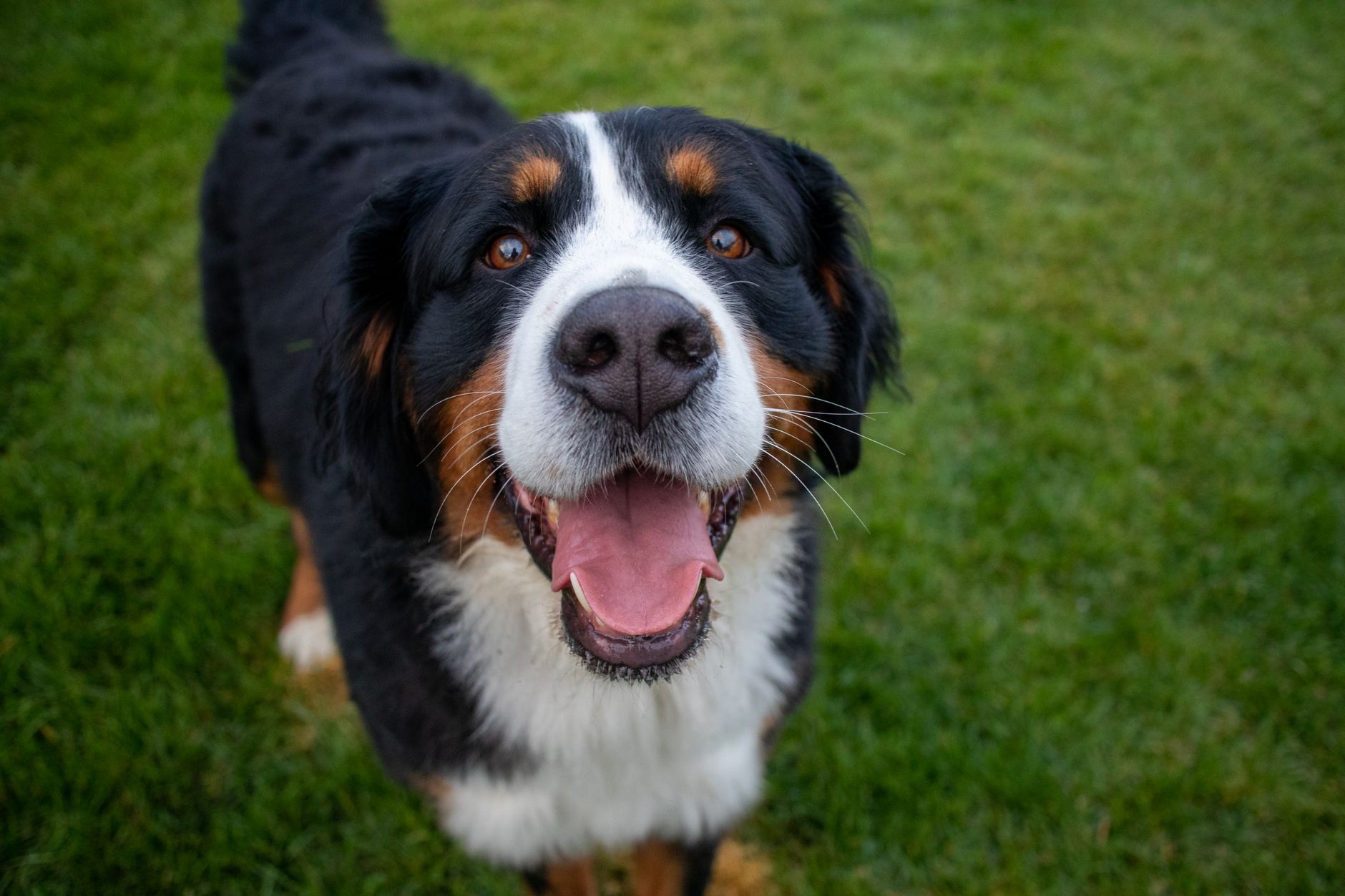
What to Know Before Buying a Bernese Mountain Dog Puppy
Quick answer: Before you buy a Bernese Mountain Dog puppy, understand the hardest truth first: this gentle, affectionate Swiss giant has a short lifespan of just 7 to 10 years, with cancer the leading cause of death. Plan for a large, heavy-shedding, people-bonded dog that needs moderate exercise, weekly grooming, and a breeder who runs the full CHIC health panel. Buy only from a Bernese Mountain Dog Club of America (BMDCA) breeder with documented hip, elbow, eye, and heart testing.
At a Glance
| Group | Working (AKC) |
| Origin | Canton of Bern, Switzerland |
| Height | Males 25–27.5 in, females 23–26 in |
| Weight | Males 80–115 lbs, females 70–95 lbs |
| Lifespan | 7–10 years (often cited as 7–8) |
| Coat | Thick tricolor double coat; heavy seasonal shedding |
| Color | Black with rust and white markings |
| Temperament | Gentle, affectionate, loyal, calm, good with kids |
| Good for | Families who want a devoted giant and accept the health realities |
1. The Hardest Part: A Short Life and High Cancer Risk
You should know this going in. The Berner’s average lifespan is only 7 to 10 years, and the breed’s parent club openly calls that too short for a dog this size. Cancer is the leading cause of death, with histiocytic sarcoma and mast cell tumors strikingly more common in Berners than in most other breeds. Degenerative myelopathy is another significant cause of death. None of this means you shouldn’t buy one, but it does mean buying from a health-focused breeder matters more here than with almost any breed, and you should be emotionally prepared for fewer years than a large dog might otherwise give.
2. Buy Only From a Full CHIC Health-Tested Breeder
The breed’s CHIC requirements are among the most comprehensive of any breed. A responsible breeder will show OFA hip and elbow evaluations, a board-certified ophthalmologist eye exam, and a cardiac (heart) evaluation on both parents. Many also use the BernerGarde database, the most complete longevity record kept for any single breed, to make breeding decisions. Ask to see it. A breeder who can’t or won’t produce this paperwork is not the one.
3. This Is a Velcro Dog, Not a Backyard Dog
Berners are deeply people-oriented and bond hard to their families. They are gentle, patient, and famously good with children, but they do not do well left alone or relegated to the yard. Expect a shadow that follows you room to room. They can be reserved with strangers, so early socialization builds the calm confidence the breed is known for. Originally Swiss farm dogs, they’re calm indoors but still need daily activity.
4. Size, Exercise, and Grooming
This is a genuinely large dog: males can top 100 pounds. They need moderate daily exercise, walks and play rather than endurance running, and they thrive in cooler climates thanks to that heavy coat. Keep them lean, because excess weight punishes large-breed joints. The thick double coat sheds year-round and blows heavily twice a year, so plan on brushing several times a week and more during seasonal sheds. As a large, deep-chested breed they’re also at risk of bloat (GDV); avoid elevated bowls and learn the emergency signs.
5. Finding a Responsible Breeder
The breed’s popularity has fueled demand and, with it, careless breeding that worsens the cancer and lifespan problems. Start with the Bernese Mountain Dog Club of America breeder referral network, and verify any breeder against the AKC Marketplace. A good breeder questions you closely, shows the full health panel, raises puppies in the home, and stays in your life for support. Be wary of “Bernedoodle” sellers and high-volume operations selling on demand with no testing.
Frequently Asked Questions
How long do Bernese Mountain Dogs live?
On average 7 to 10 years, and often cited as 7 to 8. The breed’s lifespan is short even for a large dog, largely because of high cancer rates. Health-focused breeding is the best lever owners and breeders have.
How much does a Bernese Mountain Dog puppy cost?
Expect a premium from a reputable, health-testing breeder, plus a possible waitlist. Prices vary by breeder and region, so confirm current figures directly with BMDCA-affiliated breeders.
Do Bernese Mountain Dogs shed a lot?
Yes. The thick double coat sheds year-round and heavily during seasonal blowouts. Plan on brushing several times a week. No dog is truly hypoallergenic.
Are Bernese Mountain Dogs good with kids?
Yes. They’re known for being gentle, patient, and affectionate, and the AKC rates them highly for family and child friendliness. Supervise interactions given the breed’s large size.
Read the official AKC breed standard
Sources
American Kennel Club – Bernese Mountain Dog
Bernese Mountain Dog Club of America (BMDCA)
BernerGarde Foundation database
OFA / CHIC health-testing program
AKC – Bloat in Dogs
AKC Marketplace
Bernese Mountain Dog – history and breed overview