
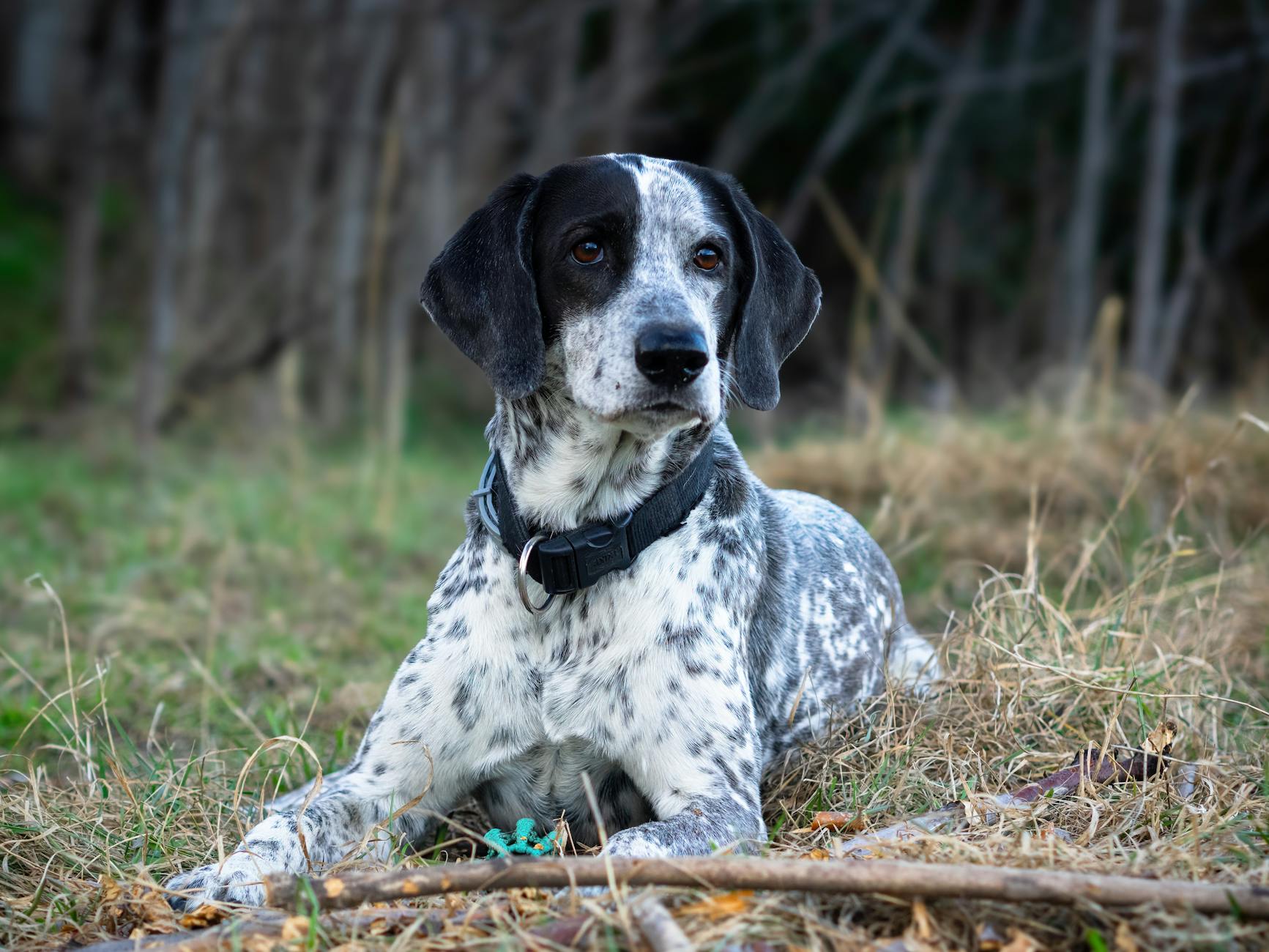
What to Know Before Buying a Bluetick Coonhound Puppy
Quick answer: Before you buy a Bluetick Coonhound puppy, plan for a large, high-energy American scent hound (45 to 80 pounds) with a striking blue-mottled coat, a famous nose, and a loud bawl. They’re sweet, sociable, and devoted but need a serious daily outlet, a securely fenced yard, and patient training, since their prey drive and roaming instinct are strong. Lifespan is 11 to 12 years. Buy from a health-testing breeder.
At a Glance
| Group | Hound (AKC, recognized 2009) |
| Origin | United States (Louisiana roots) |
| Height | Males 22–27 in, females 21–25 in |
| Weight | Males 55–80 lbs, females 45–65 lbs |
| Lifespan | 11–12 years |
| Coat | Short, glossy, blue-ticked; low-maintenance |
| Color | Blue-mottled (black ticking on white) with black and tan markings |
| Temperament | Friendly, devoted, energetic, intelligent, determined, vocal |
| Good for | Active owners with space and secure fencing |
1. High Energy and a Nose That Doesn’t Quit
Blueticks were bred to trail raccoons (and historically bigger game) for hours over rough ground, so they have deep reserves of energy and an insatiable drive to follow their nose. They need a real daily workout plus mental stimulation, and because they’ll bolt after a scent and not hear you, exercise has to happen on leash or inside secure fencing. Apartments are a tough fit unless you’re committed to heavy daily activity.
2. Sweet, Social, and Loud
Off the trail, Blueticks are affectionate, goofy, and bond hard to their people. They’re good with kids, better with older ones who can handle their exuberance, and generally sociable with other dogs. The trade-off is the voice: the breed’s signature bawl and bugle are loud and carrying, which can strain relations with close neighbors.
3. Smart but Determined to Train
Blueticks are intelligent and crave a job, but they’re independent and easily distracted by smells, so recall is challenging and consistency is everything. Positive-reinforcement training, started early, works best. Their strong prey drive means small pets should be introduced carefully, if at all.
4. Grooming and Health
The short coat is easy: weekly brushing and occasional baths, plus regular checks of those long ears, which trap moisture and can get infected. The breed is generally healthy (11 to 12 years), but watch for hip and elbow dysplasia and hypothyroidism, and, as with large deep-chested dogs, be aware of bloat (GDV) risk.
5. Finding a Responsible Breeder
Many Blueticks come from hunting lines, so ask about both temperament and health testing. Verify any breeder against the AKC Marketplace and look for clearances and clean, well-socialized litters. A good breeder will want to know about your activity level and fencing.
Frequently Asked Questions
How much does a Bluetick Coonhound puppy cost?
Prices vary by breeder, region, and whether the dog comes from hunting or companion lines, so confirm current figures directly with breeders.
Are Bluetick Coonhounds good family dogs?
Yes, for active families. They’re affectionate and playful, better with older kids who can match their energy, and need plenty of exercise and secure fencing.
Do Bluetick Coonhounds bark a lot?
Yes. They’re known for a loud, carrying bawl and bugle bred for hunting, which can be an issue for apartments and close neighbors.
Can Bluetick Coonhounds be off leash?
Rarely safely. Their prey drive and nose mean they’ll chase a scent and ignore recall, so leashed walks and secure fencing are strongly recommended.
Read the official AKC breed standard
Sources
American Kennel Club – Bluetick Coonhound
AKC Official Breed Standard (PDF)
Orthopedic Foundation for Animals (OFA)
AKC – Bloat in Dogs
AKC Marketplace