
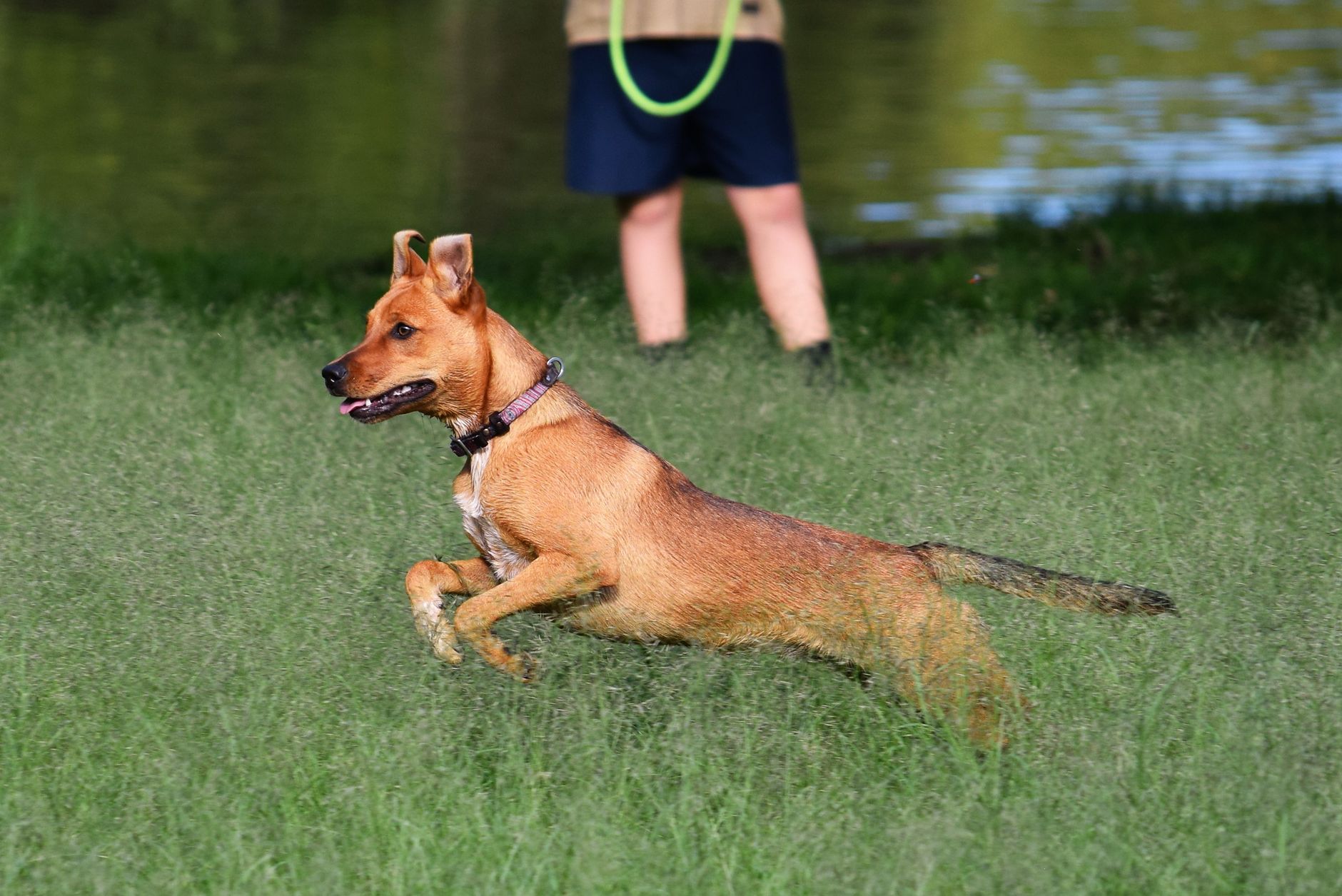
What to Know Before Buying a Carolina Dog Puppy
Quick answer: Before you buy a Carolina Dog puppy, know you’re getting a primitive, medium-sized “American Dingo”, a breed found feral in the Southeastern US and only recently domesticated. They’re intelligent, athletic, and pack-oriented, but naturally shy and suspicious of strangers, with strong instincts. They need an active home, early socialization, and patient training. They live a long 12–15 years. The breed is in the AKC’s Foundation Stock Service.
At a Glance
| Group | Hound (AKC Foundation Stock Service, accepted 2017) |
| Origin | United States (Southeast) |
| Height | About 18–20 inches |
| Weight | Roughly 30–55 lbs |
| Lifespan | 12–15 years |
| Coat | Short, dense; sheds seasonally, low-maintenance |
| Color | Red/ginger, fawn, buff, or piebald with markings |
| Temperament | Intelligent, alert, reserved, loyal, strong pack instinct |
| Good for | Active, patient owners who appreciate a primitive, independent dog |
1. A Primitive Dog with Wild Instincts
The Carolina Dog (also called the American Dingo or Dixie Dingo) lived feral in the Southeast for generations and was only recently brought into homes. That history means strong primitive instincts: a powerful prey drive, a tendency to den and dig, extraordinary hearing, and a deep pack orientation. They bond hard to their family but are naturally cautious and suspicious of strangers, often shy until they decide you’re safe.
2. Socialization and a Pack to Belong To
Because of their feral heritage, early and ongoing socialization is essential to build a confident dog. They have a strong pack mentality and dislike being alone for long, so they do best in homes where someone’s around or with other dogs for company. Reward-based training works well, they’re smart and quick to learn, but they keep an independent streak.
3. Exercise and Daily Life
This is a high-energy, athletic breed that needs vigorous daily exercise, running, hiking, fenced play, and benefits from an active outdoor life. The prey drive means secure fencing and leashed walks, and caution around small pets. Give them a job and companionship and they settle nicely.
4. Grooming and Health
Grooming is minimal: the short coat needs only occasional brushing, more during seasonal sheds. Thanks to natural selection, Carolina Dogs are generally very healthy and long-lived, though responsible breeders still screen for hip dysplasia and watch for the usual breed-agnostic concerns.
5. Finding a Responsible Breeder (or Rescue)
Because the breed is still rare and FSS-listed, options are limited; verify any breeder against the AKC Marketplace and consider rescues, since Carolina-type dogs turn up in Southeastern shelters. A good breeder raises well-socialized pups and is honest about the breed’s primitive temperament.
Frequently Asked Questions
How much does a Carolina Dog puppy cost?
They’re uncommon, so availability varies. Prices vary by breeder and region, and many Carolina-type dogs are adopted from Southeastern shelters and rescues.
Are Carolina Dogs good family dogs?
They can be, for active, patient families. They bond loyally but are naturally reserved with strangers and have strong instincts, so early socialization and an engaged home matter.
Are Carolina Dogs easy to train?
They’re intelligent and learn quickly with reward-based training, but they keep an independent, primitive streak and need clear, consistent guidance.
Do Carolina Dogs get along with other pets?
They have a strong pack instinct and often do well with other dogs, but their prey drive means small pets should be introduced carefully, if at all.
Read the official AKC breed standard
Sources
American Kennel Club – Carolina Dog
Carolina Dog – breed overview
Orthopedic Foundation for Animals (OFA)
AKC Marketplace