
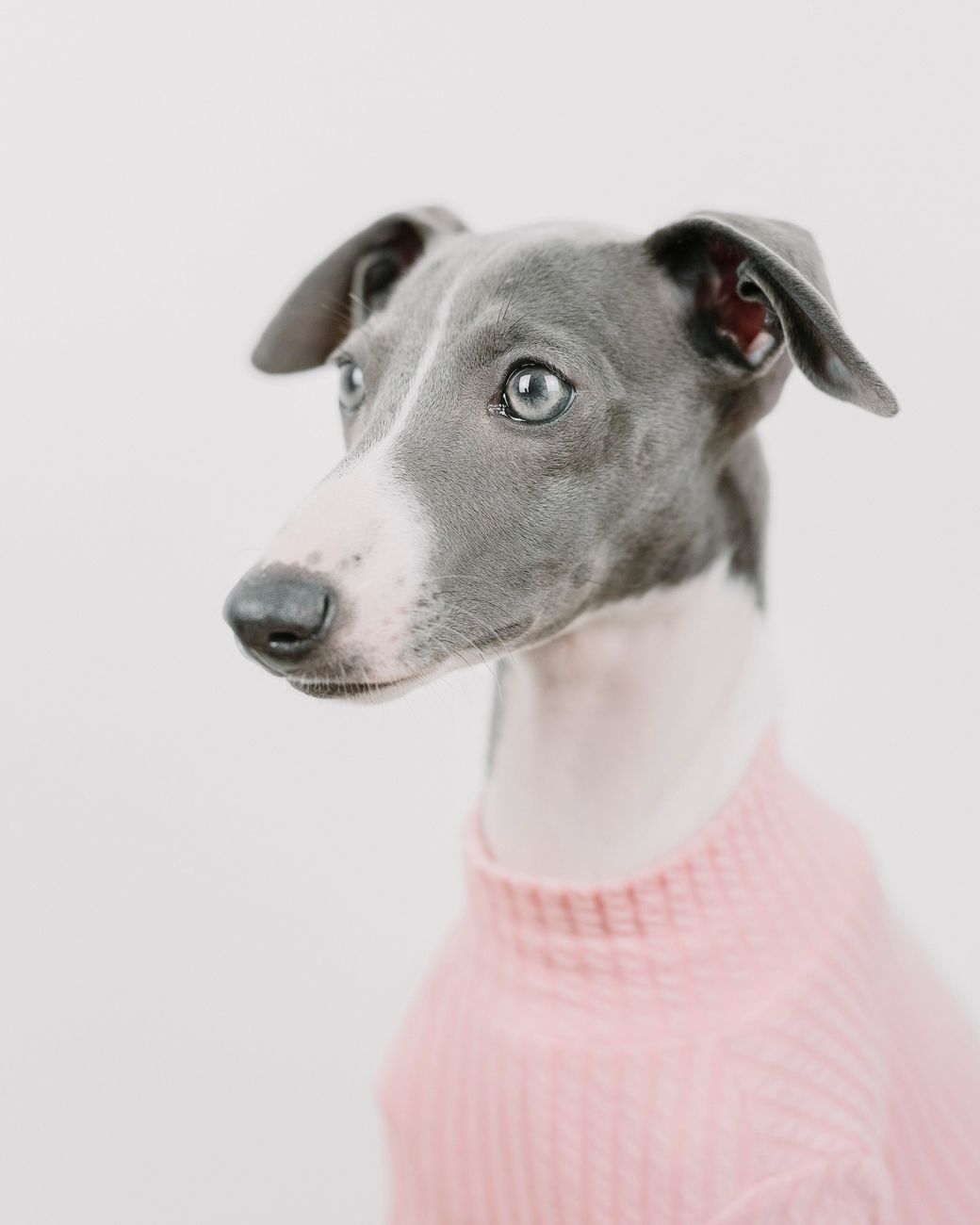
What to Know Before Buying an Italian Greyhound Puppy
Quick answer: Before you buy an Italian Greyhound puppy, respect the breed’s fragile fine print: those elegant matchstick legs fracture from sofa leaps and stair slips, especially in puppies, so furniture ramps and supervision are equipment, not extras. IGs are sweet, thin-skinned, sun-worshipping velcro sighthounds that live 14 to 15 years, need sweaters below sixty degrees, are famously slow to housetrain, and require dental care as a daily discipline. Buy from breeders with OFA patellas, eye exams, and candid talk about leg breaks and enamel issues in their lines.
At a Glance
| Group | Toy (AKC, recognized 1886) |
| Origin | Italy (ancient Mediterranean) |
| Height | 13–15 in |
| Weight | 7–14 lbs |
| Lifespan | 14–15 years |
| Coat | Short, fine, glossy |
| Color | Fawn, blue, cream, red, sable, black, seal, with or without white |
| Temperament | Sweet, sensitive, playful, attached, alert |
| Good for | Gentle adult or older-kid households ready to manage fragility and warmth |
1. The Leg-Break Problem Is Real, Not Folklore
Radius-ulna fractures from everyday misadventures, a leap off the couch, a bad landing off a lap, a stair slip, are the Italian Greyhound’s signature emergency, concentrated in puppies and adolescents whose slender bones outpace their judgment. The mitigation list is concrete: ramps to furniture, gates on stairs during puppyhood, no jumping culture, lean weight, and rowdy-dog playdates screened for size. Ask breeders directly about fractures in their lines; the good ones answer with data and prevention coaching.
2. Fourteen Pounds of Devotion With a Thermostat
IGs are burrowers and lap heat-seekers who own no body fat and little coat: below sixty degrees they shiver on principle, sweaters and coats are wardrobe staples, and winter potty trips get negotiated. Their attachment runs deep, following their person room to room and grieving long absences, so empty-house schedules need company plans. With gentle handling they are affectionate, playful, and surprisingly quick on their toy-sighthound afterburners.
3. Housetraining: The Breed’s Famous Weak Subject
Candor helps here: Italian Greyhounds rank among the hardest breeds to housetrain reliably, a mix of tiny bladders, weather aversion, and subtle signaling. Success looks like months of rigid scheduling, doggy-door or litter-tray backup systems many owners adopt permanently, and zero punishment, which only teaches secrecy. Buyers wanting turnkey house manners by twelve weeks are shopping the wrong breed.
4. Sighthound Software in a Toy Chassis
The chase reflex is fully installed: squirrels launch an IG to twenty-five miles an hour with recall offline, so leashes and fenced yards are lifetime rules, and retractable leashes near roads are a known killer of the breed. Fences need inspection for gaps a whippet-thin puppy can thread. Daily needs are modest otherwise: walks, indoor zoomies, sunbathing, and a blanket cave.
5. Health, Teeth, and the Buyer Checklist
The teeth are the lifetime project: crowded, thin-enameled mouths accumulate periodontal disease fast, so daily brushing and scheduled dental cleanings are core care, and some lines carry enamel hypoplasia worth asking about. Screen OFA patellas, current eye exams including PRA status, and thyroid; autoimmune conditions and seizure history deserve questions. Like all sighthounds, IGs need anesthesia-experienced vets.
Frequently Asked Questions
Do Italian Greyhounds really break their legs easily?
Yes, foreleg fractures from jumps and falls are the breed’s best-known hazard, especially under two years old. Ramps, stair gates, and no-jump habits prevent most of them.
Are Italian Greyhounds hard to housetrain?
Notoriously. Plan on months of strict scheduling and consider permanent backup options like a doggy door or indoor tray, as many experienced IG homes use.
Can Italian Greyhounds live with children?
With gentle older children, yes. Toddler households risk accidental injury to the dog, so most breeders place puppies accordingly.
Do Italian Greyhounds need coats?
Absolutely: minimal fat and coat mean they chill quickly below sixty degrees. Sweaters indoors in cold snaps and coats outdoors are standard equipment.
Read the official AKC breed standard
Sources
American Kennel Club – Italian Greyhound
Orthopedic Foundation for Animals (OFA)
AKC Marketplace