
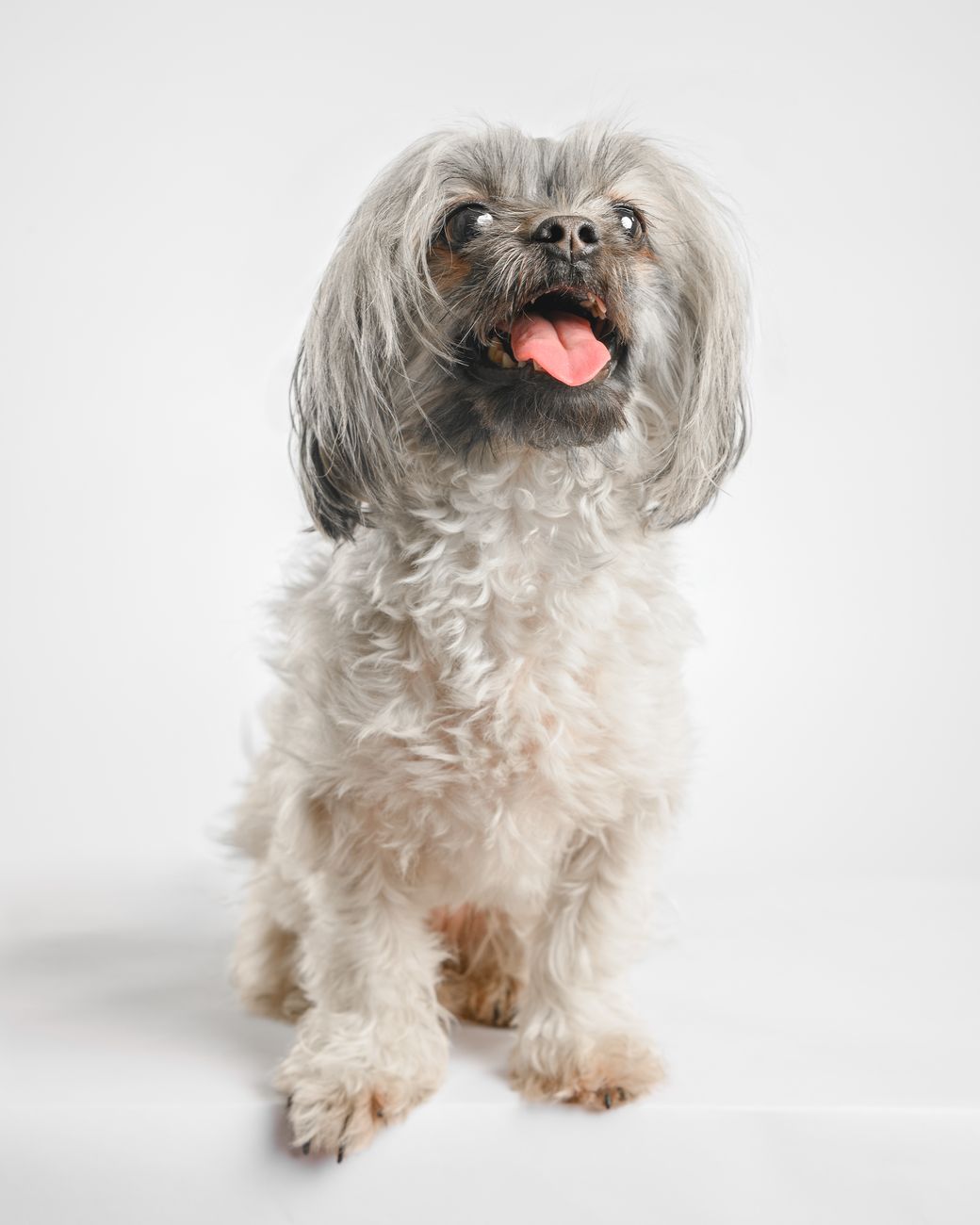
What to Know Before Buying a Japanese Chin Puppy
Quick answer: Before you buy a Japanese Chin puppy, know that this is the most cat-like of dogs: it perches on sofa backs, washes its face with its paws, and prefers quiet company to rowdy play. Chin live 10 to 12 years, need little exercise, and are easier to groom than they look. The trade-offs are a flat face that cannot handle heat and a fine-boned body that cannot handle rough handling. Ask breeders for cardiac, patella, and eye results plus the GM2 gangliosidosis DNA test.
At a Glance
| Group | Toy (AKC, recognized 1888) |
| Origin | China and Japan |
| Height | 8–11 in |
| Weight | 7–11 lbs |
| Lifespan | 10–12 years |
| Coat | Long, silky, straight single coat |
| Color | Black and white, red and white, or black and white with tan points |
| Temperament | Charming, quiet, cat-like, sensitive, devoted |
| Good for | Calm adult homes and apartment dwellers wanting a gentle companion |
1. An Imperial Lapdog With Feline Habits
The Chin was developed as a palace companion, probably in China, and perfected by Japanese nobility long before Commodore Perry’s 1850s visit introduced it to the West. It was bred for nothing except companionship, and it shows. Owners describe the famous “Chin spin,” a twirling dance of excitement, and a habit of climbing to the highest cushion in the room.
2. Sensitive, Quiet, and People-Focused
Chin read the mood of the household and match it. They are polite with strangers, rarely yappy, and deeply attached to their own people, which means they dislike long days alone. Harsh correction shuts them down. Short, cheerful training sessions with treats work well, and house training takes patience, as it does with most toy breeds.
3. Modest Exercise, Strict Heat Rules
A couple of short walks and indoor play satisfy this breed. The flat face is the real constraint: Chin overheat quickly, so skip midday walks in warm weather, use a harness rather than a collar, and keep the home cool. Snoring and snorting come with the anatomy.
4. A Silky Coat That Mostly Minds Itself
The single coat has little undercoat and resists matting. Brush two or three times a week, paying attention behind the ears and the feathered legs, and bathe monthly. Wipe facial folds and check the large eyes daily, since prominent eyes scratch easily.
5. Health and the Buyer Checklist
Heart murmurs and early mitral valve disease are the breed’s main concern, followed by luxating patellas, cataracts, and eye injuries. GM2 gangliosidosis, a fatal inherited neurological disease, has a DNA test that every breeder should use. Chin can be sensitive to anesthesia, so choose a vet experienced with flat-faced toy breeds.
Frequently Asked Questions
Are Japanese Chin good apartment dogs?
Yes, among the best. They are small, quiet, and satisfied with short walks and indoor play, as long as the home stays cool in summer.
Do Japanese Chin shed?
Moderately, with heavier seasonal sheds. The silky coat releases hair easily with brushing a few times a week.
Are Japanese Chin good with kids?
They do best with gentle older children. Their small, fine-boned bodies are easily injured by drops or rough play.
Can Japanese Chin be left alone?
For a few hours, yes. They are companion dogs to the core and become unhappy with routine full-day absences.
Read the official AKC breed standard
Sources
American Kennel Club – Japanese Chin
Orthopedic Foundation for Animals (OFA)
Canine Health Information Center (CHIC)
AKC Marketplace