
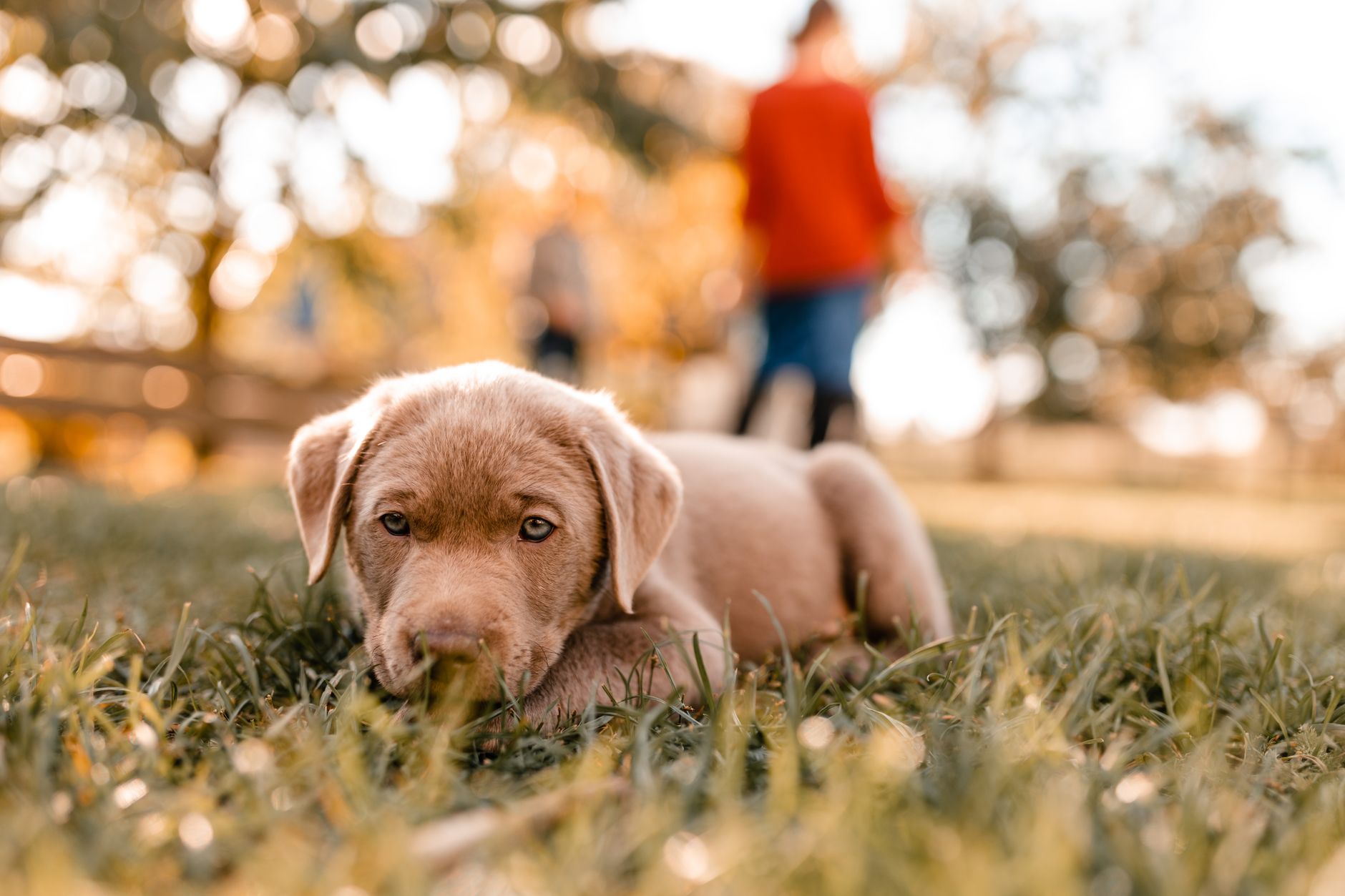
What to Know Before Buying a Chesapeake Bay Retriever Puppy
Quick answer: Before you buy a Chesapeake Bay Retriever puppy, plan for a powerful, tireless American duck dog with a distinctive oily, waterproof coat and a more serious, independent streak than a Lab or Golden. “Chessies” are loyal and affectionate with family but can be reserved with strangers and willful, so they need an active home, a job, and firm-but-positive training. They live 10–13 years. Buy from an American Chesapeake Club breeder who health-tests.
At a Glance
| Group | Sporting (AKC, recognized 1878) |
| Origin | United States (Chesapeake Bay region) |
| Height | Males 23–26 in, females 21–24 in |
| Weight | Males 65–80 lbs, females 55–70 lbs |
| Lifespan | 10–13 years |
| Coat | Short, oily, wavy, waterproof double coat; sheds |
| Color | Brown, sedge, or deadgrass |
| Temperament | Loyal, upbeat, intelligent, protective, independent, sometimes reserved |
| Good for | Active, experienced owners, especially hunters and water lovers |
1. A Serious, Hard-Working Retriever
Bred to retrieve waterfowl from the cold, rough Chesapeake Bay all day, the Chessie is a powerhouse: strong, driven, and built for endurance, with a famously oily, waterproof coat that sheds water with a shake. Compared to the more happy-go-lucky Lab and Golden, the Chessie is more serious, more protective, and more independent, devoted to its family but often aloof or watchful with strangers.
2. Smart but Willful Training
Chessies are intelligent and learn fast, but they’re sensitive and have a mind of their own, the old “stubborn” reputation really reflects a dog that doesn’t respond to heavy-handedness. Use firm, encouraging, positive training with plenty of play, and start early socialization to soften the breed’s natural reserve. They can be assertive with other dogs.
3. Exercise and Water
This is a high-energy working breed that needs vigorous daily exercise, ideally including swimming and retrieving. Without enough physical and mental work they get bored and difficult. They thrive with active families, hunters, and anyone who’ll get them in the water. Keep them lean for their joints.
4. Grooming and Health
Don’t over-bathe or harshly brush, it strips the protective oils; occasional grooming and seasonal de-shedding are enough. Watch for hip and elbow dysplasia, eye conditions (including PRA), degenerative myelopathy, and, as a larger deep-chested breed, some bloat (GDV) awareness.
5. Finding a Responsible Breeder
Start with the American Chesapeake Club and verify any breeder against the AKC Marketplace. A good breeder selects for sound temperament and health and asks how you’ll exercise and engage the dog.
Frequently Asked Questions
How much does a Chesapeake Bay Retriever puppy cost?
Prices vary by breeder, region, and whether the dog is from field or show lines, so confirm current figures directly with American Chesapeake Club breeders.
Are Chesapeake Bay Retrievers good family dogs?
Yes, for active families. They’re loyal and affectionate but more serious and protective than Labs or Goldens, so they suit experienced owners who’ll give them exercise and a job.
Do Chesapeake Bay Retrievers shed?
Yes, including heavy seasonal sheds. Their oily coat shouldn’t be over-bathed or harshly brushed. They are not hypoallergenic.
Are Chessies stubborn?
They’re independent and sensitive rather than truly stubborn; they don’t respond to harsh handling. Firm, positive, play-based training works well.
Read the official AKC breed standard
Sources
American Kennel Club – Chesapeake Bay Retriever
American Chesapeake Club
Orthopedic Foundation for Animals (OFA)
AKC – Bloat in Dogs
AKC Marketplace