
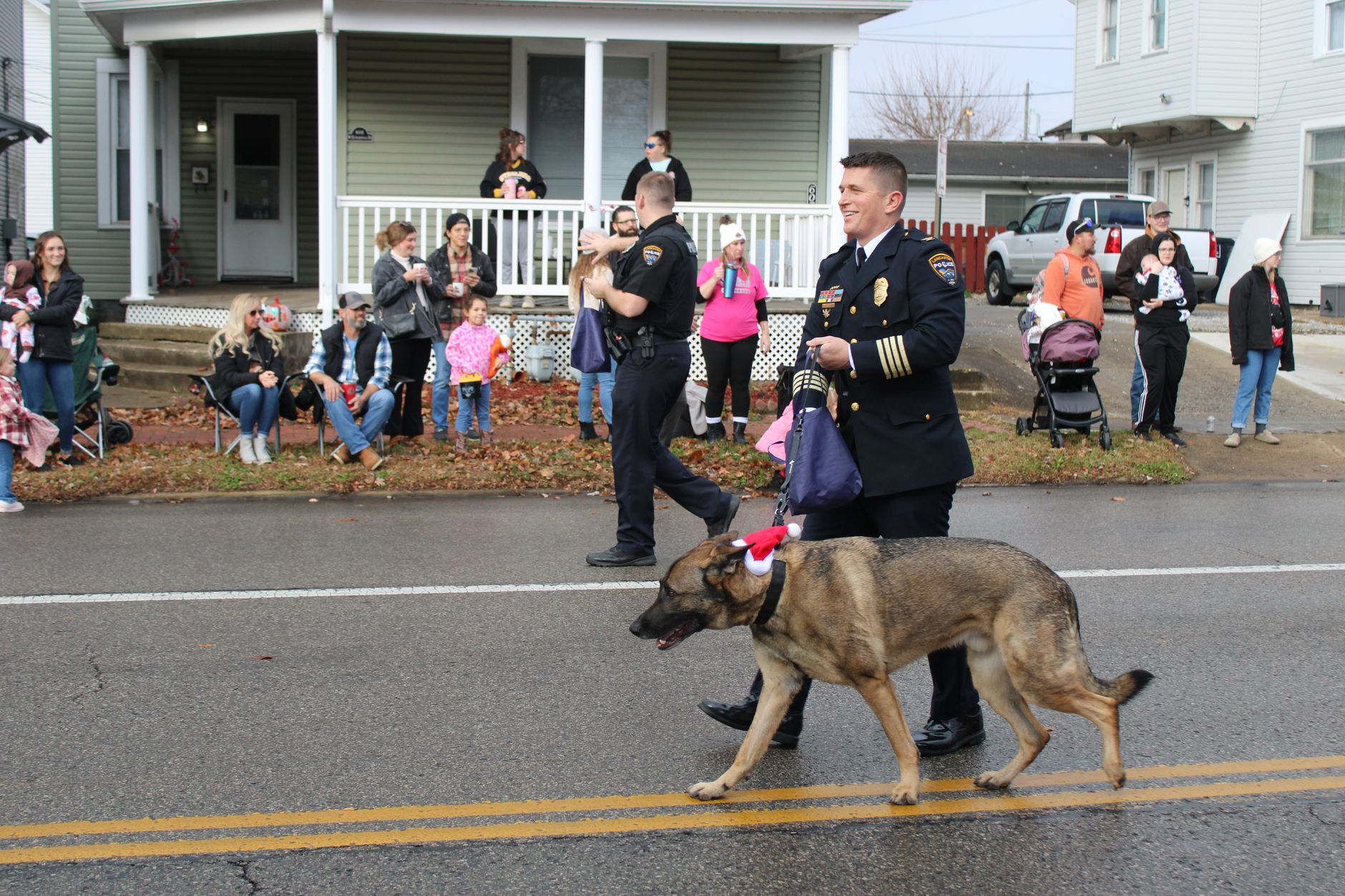
What to Know Before Buying a German Shepherd Puppy
| Group | Herding (AKC, recognized 1908) |
|---|---|
| Origin | Germany |
| Height | 22–26 inches |
| Weight | Roughly 50–90 lbs |
| Lifespan | 7–10 years |
| Coat | Dense double coat; sheds heavily year-round (“German shedder”) |
| Color | Most often black and tan saddle; also sable and solid black |
| Temperament | Intelligent, loyal, confident, courageous, trainable, protective |
| Good for | Active, committed owners ready to train, exercise, and groom a working dog |
1. Brilliant, Loyal, and Built to Work
The German Shepherd is one of the most intelligent and versatile breeds ever developed, ranked near the top for trainability and the default choice for police, military, service, and guide roles. With its family it’s deeply loyal, confident, and naturally protective, an alert guardian and devoted companion. That brainpower and drive are a gift in an engaged home and a liability in a neglectful one: this is a working dog that needs a job, not a decoration.
2. Exercise, Training, and Socialization
Plan for substantial daily exercise plus real mental work, walks, runs, training, dog sports, and enrichment. They’re exceptionally trainable with positive, consistent methods, and early, thorough socialization is essential to channel the guarding instinct into stable confidence rather than reactivity. Under-exercised or under-trained, a Shepherd’s intelligence turns to anxiety, barking, and destructiveness. Choose working vs show lines to match your activity level.
3. The Health Realities
This is where prospective owners must do homework. The breed’s signature issues are hip and elbow dysplasia and degenerative myelopathy (DM), a late-onset progressive spinal disease, all of which have screening (OFA hips/elbows, a DM DNA test). As a deep-chested breed they’re also at risk of bloat (GDV), plus watch for hypothyroidism and allergies. Lifespan is about 7–10 years.
4. Grooming and Daily Care
The double coat sheds constantly and “blows” heavily twice a year, so plan on brushing several times a week (daily during sheds) and never shave the coat. Keep them lean to protect joints, and feed a large-breed puppy diet to support controlled growth.
5. Finding a Responsible Breeder
Given the health profile and the flood of poorly bred Shepherds, the breeder matters enormously. Start with the German Shepherd Dog Club of America and verify any breeder against the AKC Marketplace. Insist on hip, elbow, and DM testing and stable, well-socialized parents.
Frequently asked questions
How long do German Shepherds live?
About 7 to 10 years. Hip and elbow dysplasia, degenerative myelopathy, and bloat are the main health concerns, so buying from a health-testing breeder and keeping the dog lean helps.
Are German Shepherds good family dogs?
Yes, for active, committed families. They’re loyal, protective, and wonderful with their people, but their exercise, training, and grooming needs make them a poor fit for casual or busy-but-absent households.
Do German Shepherds shed a lot?
Yes, heavily and constantly, plus two big seasonal “blows” a year, earning the nickname “German shedder.” Frequent brushing helps, but shedding is unavoidable and the coat should never be shaved.
What's the difference between working-line and show-line German Shepherds?
Working lines are typically higher-drive and more athletic, bred for police/sport work; show lines are often somewhat calmer with more angulated builds. Match the line to your activity level and goals.