
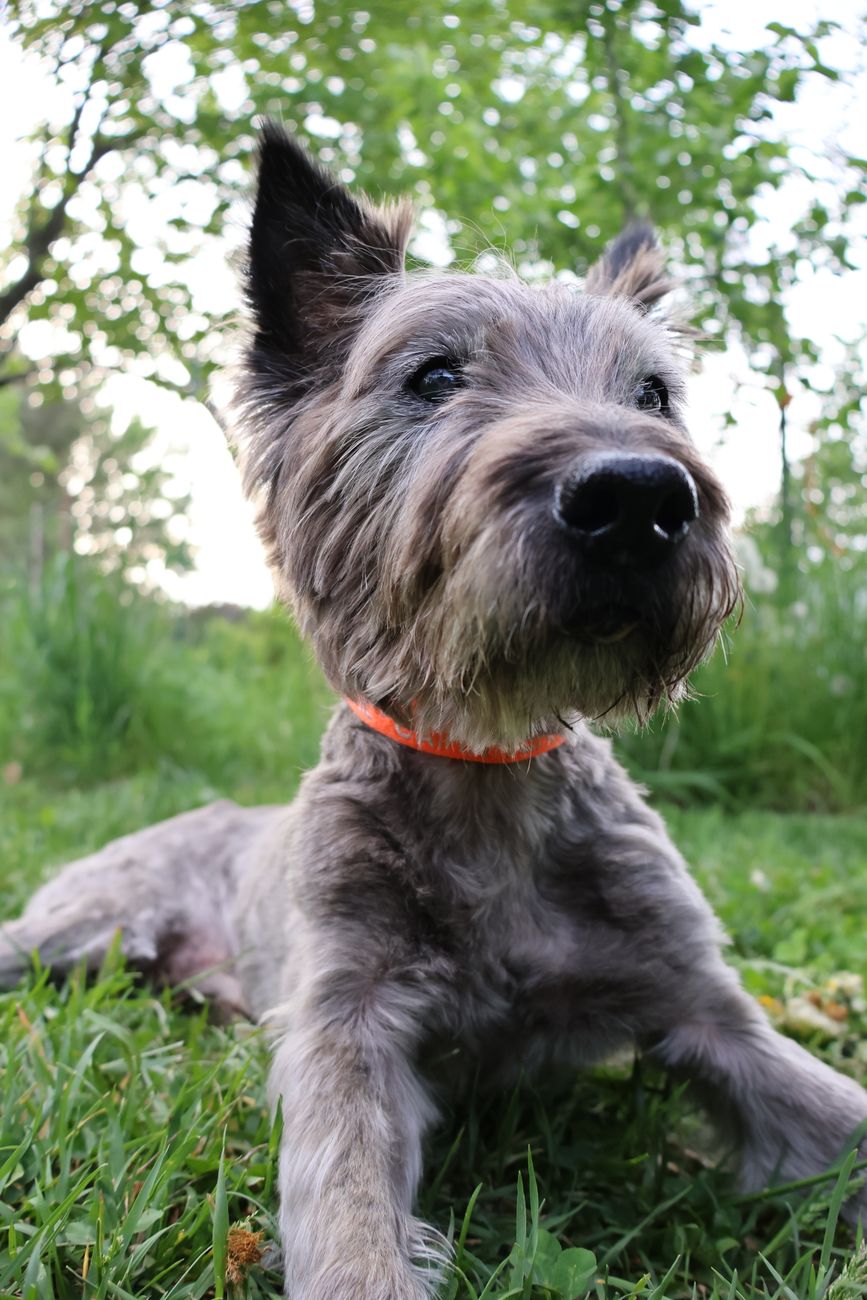
What to Know Before Buying a Glen of Imaal Terrier Puppy
| Group | Terrier (AKC, recognized 2004) |
|---|---|
| Origin | Ireland (County Wicklow) |
| Height | Up to 14 inches |
| Weight | Roughly 32–40 lbs |
| Lifespan | 10–15 years |
| Coat | Harsh, medium-length double coat; low-shed, needs stripping |
| Color | Wheaten, blue, or brindle |
| Temperament | Bold, docile, affectionate, calm, stoic, less vocal than most terriers |
| Good for | Families with older children wanting a calmer, low-fuss, unusual terrier |
1. The Gentleman of Terriers
One of Ireland’s four native terrier breeds and among the rarest dogs in the world, the Glen is a “big dog on short legs”, surprisingly heavy and muscular on a low, bowed-legged frame. It was bred to hunt badger and fox and work silently, which is why it’s less yappy and more docile than typical terriers. Owners describe it as bold but sweet, stoic, and easygoing, happy to play its own silly games and then curl up with its family.
2. Calmer Temperament, Real Terrier Core
The Glen is calmer and quieter than most terriers, but it’s still a terrier: independent, occasionally stubborn, and driven to dig and chase. It has a strong prey drive (cats and small pets need caution) and can be dog-aggressive as it matures, so early socialization and training are important. It’s affectionate and good with older children, though its sturdiness means it can play rough with little ones. It has a deep, big-dog bark and makes a fine watchdog.
3. Exercise and the Growing Legs
The Glen needs only moderate exercise, daily walks, play, and a chance to sniff and dig, and is calm indoors. One breed-specific caution: because of its short, still-forming front legs, avoid hard jumping, stair-running, and strenuous exercise until the growth plates close around 9–12 months. It’s not a candidate for dog parks given the prey drive and dog-aggression potential.
4. Grooming and Health
The harsh double coat sheds little but needs weekly brushing and hand-stripping a couple of times a year, plus routine ear care. The breed is generally healthy; the main screens are hip and elbow dysplasia and an eye disease called cone rod dystrophy (a form of PRA), for which a DNA test exists.
5. Finding a Responsible Breeder
The breed is genuinely rare, so expect a waitlist. Start with the Glen of Imaal Terrier Club of America and verify any breeder against the AKC Marketplace. Choose a breeder who follows the club’s code of ethics and health-tests.
Frequently asked questions
Are Glen of Imaal Terriers good family dogs?
Yes, for families with older children. They’re affectionate, sturdy, and calmer than most terriers, though their strength and prey drive mean supervision with small kids and small pets.
How much does a Glen of Imaal Terrier puppy cost?
They’re one of the rarest breeds, so expect a waitlist. Prices vary by breeder and region, so confirm current figures directly with Glen of Imaal Terrier Club of America breeders.
Are Glens quieter than other terriers?
Yes. They were bred to work silently, so they bark less and have a calmer, more “stoic” disposition, though they do have a notably deep bark for their size and make good watchdogs.
Why do Glen of Imaal Terriers need careful exercise as puppies?
Their short front legs have growth plates that don’t close until around 9–12 months, so hard jumping, stair-running, and strenuous exercise should be avoided until then to protect the developing joints.