
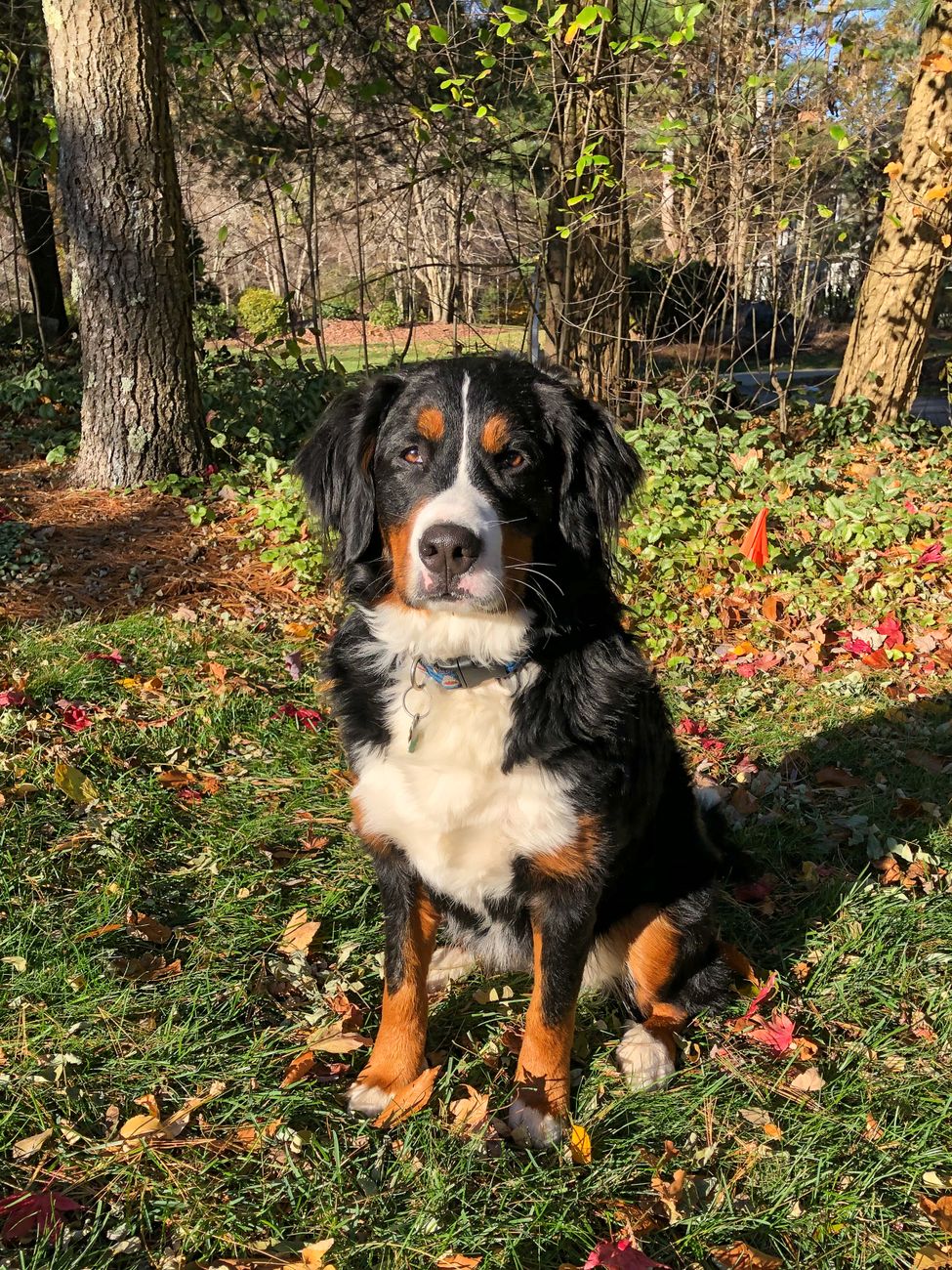
What to Know Before Buying a Greater Swiss Mountain Dog Puppy
| Group | Working (AKC, recognized 1995) |
|---|---|
| Origin | Switzerland |
| Height | Males 25.5–28.5 in, females 23.5–27 in |
| Weight | Females ~85–110 lbs, males ~115–140 lbs |
| Lifespan | 8–11 years |
| Coat | Short, dense tricolor double coat; “wash-and-wear,” sheds seasonally |
| Color | Black with rust and white markings (tricolor) |
| Temperament | Happy, gentle, loyal, alert, bold, family-oriented |
| Good for | Active families with space who can handle a giant, strong, devoted dog |
1. A Gentle Giant with a Working Past
The Greater Swiss Mountain Dog is the oldest and largest of Switzerland’s four Sennenhund breeds, a heavy-boned draft and drover’s dog of remarkable strength (they pull carts and can move loads of thousands of pounds). It looks like a short-haired Bernese Mountain Dog and shares that breed’s sweet nature: happy, jovial, gentle, and intensely bonded to its family, wanting to be part of everything from hikes to couch time.
2. Family Life and That Big Bark
Swissies are affectionate and famously good with children (AKC rates them 5/5 for family affection), and they get along with other dogs and pets, though their size means supervision around small kids they can accidentally bowl over, and some have a prey drive toward small animals. They’re alert and vigilant with a loud, low-pitched bark, they’ll announce visitors, neighbors, and the ice maker, so early socialization to curb over-barking helps.
3. Exercise, Training, and Heat
This is a working dog, not a couch potato: plan on 60–90 minutes of daily activity plus a job (hiking, carting, obedience, agility). But go easy on growing puppies, avoid high-impact exercise until they mature to protect developing joints. They’re intelligent and trainable but can be stubborn, so consistent positive training and early socialization matter. Note the heat sensitivity: Swissies don’t handle hot weather well and prefer air conditioning.
4. Grooming and Health
The short “wash-and-wear” coat is low-maintenance, weekly brushing, with heavier shedding when the undercoat blows twice a year. The main health concerns are hip and elbow dysplasia, bloat (GDV) and splenic torsion, epilepsy, osteochondritis (OCD), and eye conditions.
5. Finding a Responsible Breeder
The breed is still relatively uncommon, so expect a wait. Start with the Greater Swiss Mountain Dog Club of America and verify any breeder against the AKC Marketplace.
Frequently asked questions
What's the difference between a Greater Swiss Mountain Dog and a Bernese Mountain Dog?
Coat and size. The Swissy has a short coat and is larger; the Bernese has a long, silky coat. Both are gentle tricolor Swiss Sennenhund breeds with similar temperaments, but the Swissy’s shorter coat means less grooming.
Are Greater Swiss Mountain Dogs good family dogs?
Yes, excellent ones. They’re happy, gentle, and devoted and rate top marks for affection with children, though their size means supervision around small kids and a home with enough space.
How much does a Greater Swiss Mountain Dog puppy cost?
Prices vary by breeder and region, so confirm current figures directly with Greater Swiss Mountain Dog Club of America breeders. The breed is uncommon, so expect a wait.
Do Greater Swiss Mountain Dogs handle heat well?
No. They’re built for the Alps and are heat-sensitive, so they need air conditioning and care to avoid overheating in hot weather; exercise in the cooler parts of the day.