
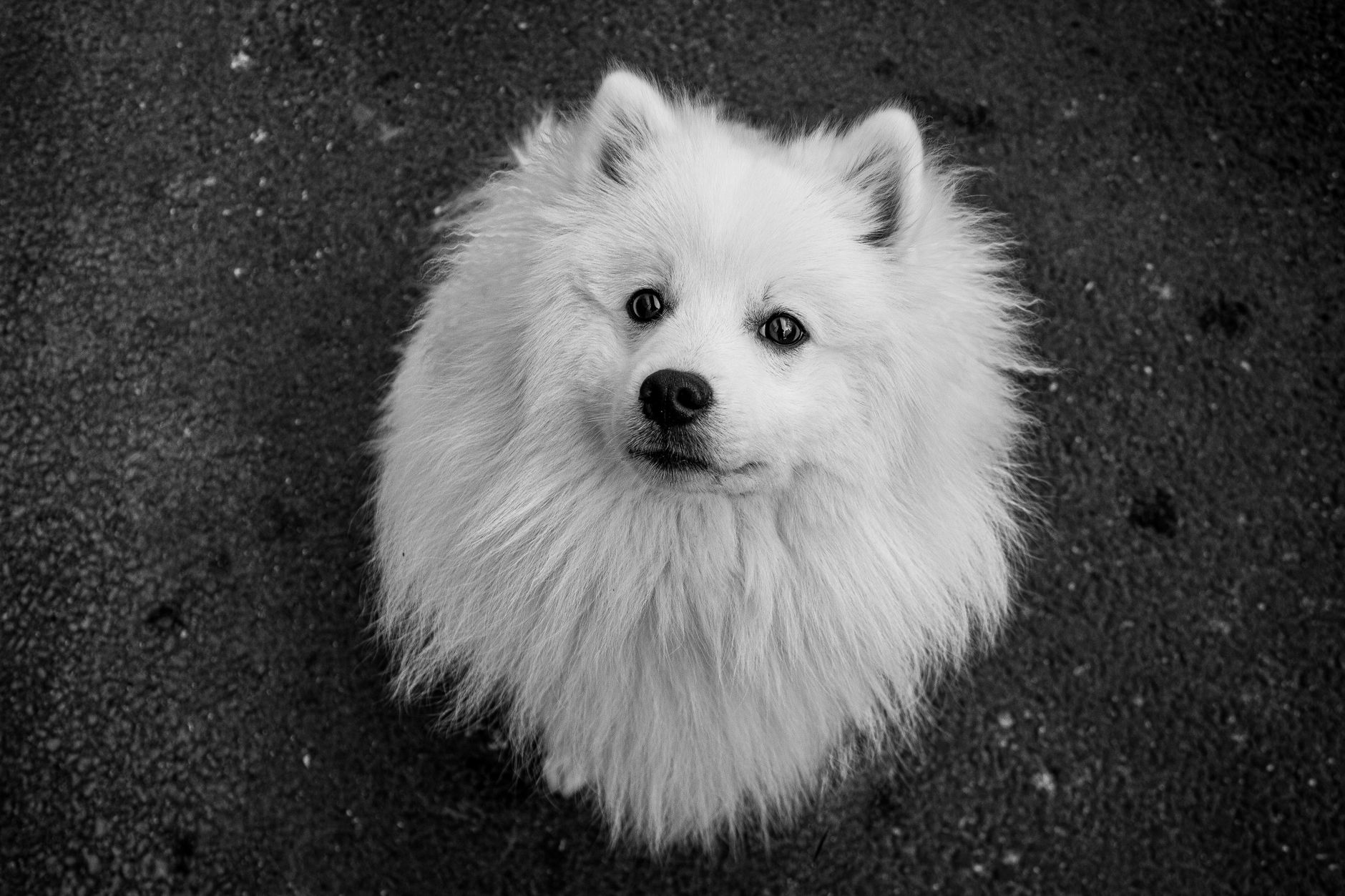
What to Know Before Buying a Japanese Spitz Puppy
Quick answer: Before you buy a Japanese Spitz puppy, know that this small white cloud of a dog is easier to live with than most spitz breeds: affectionate, trainable, and happy with moderate exercise. It lives 12 to 14 years and its coat stays surprisingly clean. The catches are rarity in North America, a watchdog bark that needs early management, and look-alike breeds sold under the wrong name. Ask for patella evaluations and eye exams, and verify registration papers.
At a Glance
| Group | AKC Foundation Stock Service; fully recognized by the UKC and FCI |
| Origin | Japan |
| Height | 12–15 in |
| Weight | 10–25 lbs |
| Lifespan | 12–14 years |
| Coat | Thick, stand-off pure white double coat |
| Color | White only |
| Temperament | Cheerful, loyal, alert, playful, eager to please |
| Good for | Families and first-time owners wanting a small, trainable spitz |
1. A Rare Breed With Common Look-Alikes
Developed in Japan in the 1920s and 1930s from white German Spitz stock, the Japanese Spitz sits in size between a Pomeranian and a Samoyed. It closely resembles the American Eskimo Dog, and the two are sometimes confused or misrepresented by sellers. The AKC lists the breed in its Foundation Stock Service, so expect UKC or imported FCI paperwork rather than full AKC registration.
2. Companion First, Watchdog Second
This is a people dog that wants to be in the middle of family life. It is typically friendly with children and other pets, playful into old age, and quick to learn. It is also alert, and it will announce visitors. Teaching a “quiet” cue in puppyhood keeps the watchdog instinct from becoming nuisance barking.
3. Moderate Exercise, Big Enthusiasm
Around 45 minutes of walking and play a day keeps a Japanese Spitz content, and it adapts well to apartments if it gets that outlet. It excels at trick training and agility. Left alone for long hours it tends toward separation distress, so this is not a breed for households that are empty all day.
4. The Self-Cleaning White Coat
The coat’s texture sheds dry dirt, so these dogs need bathing less often than you would guess. Brush twice a week, and daily during the heavy spring and fall sheds. Never shave the double coat. Tear staining under the eyes is common and manageable with daily wiping.
5. Health and the Buyer Checklist
The breed is generally healthy. Patellar luxation is the main inherited concern, and runny eyes from small tear ducts are common. Because the North American gene pool is small, ask about the breeder’s import lines and how closely related the parents are.
Frequently Asked Questions
Is the Japanese Spitz recognized by the AKC?
It is recorded in the AKC Foundation Stock Service but is not yet fully recognized. The UKC and FCI recognize it fully.
What is the difference between a Japanese Spitz and an American Eskimo Dog?
They look alike but are separate breeds with different histories and registries. The American Eskimo Dog comes in three sizes; the Japanese Spitz comes in one.
Do Japanese Spitz bark a lot?
They are alert barkers by nature. Early training usually keeps it to an announcement rather than a habit.
Is the white coat hard to keep clean?
Less than you would expect. Dried mud brushes out of the coat easily, and most dogs need only occasional baths.
See the AKC Japanese Spitz profile
Sources
American Kennel Club – Japanese Spitz
Orthopedic Foundation for Animals (OFA)
Canine Health Information Center (CHIC)
AKC Marketplace