
What to Know Before Buying a Basenji: The Complete Guide
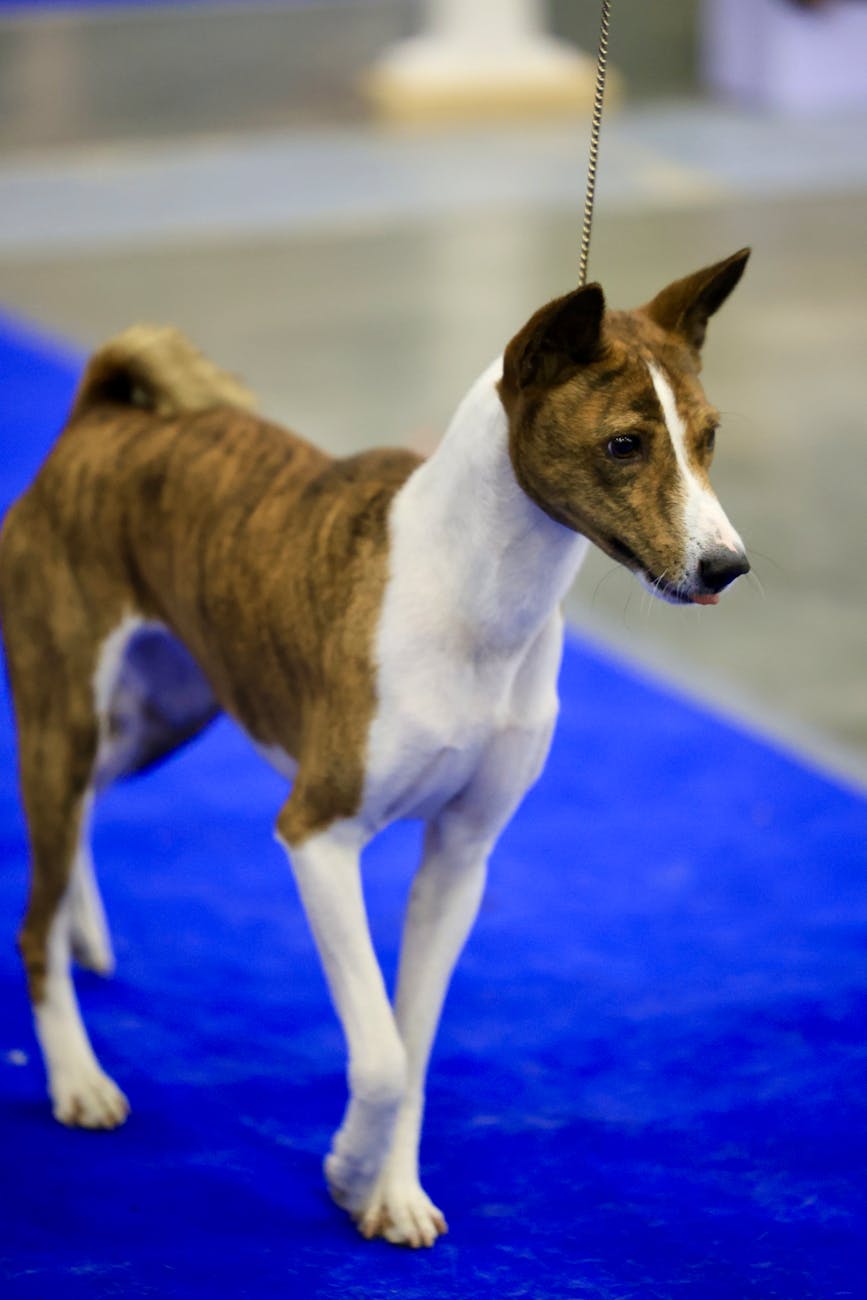
Buying a Basenji brindle means bringing home one of the oldest, most primitively fascinating, and genuinely unique dog breeds on the planet. Originating from Central Africa — where it served as a skilled hunting dog for Congo Basin tribes for thousands of years — the Basenji combines catlike independence, extraordinary intelligence, and an ancient instinct-driven personality into a compact, athletic, and strikingly elegant package. Most famously, the Basenji doesn’t bark — but make no mistake, this breed communicates loudly, thinks constantly, and challenges its owner in ways that demand serious preparation before committing.

Basenji Temperament & Personality: What to Expect
Intelligent, Independent, and Intensely Curious
Basenjis operate with sharp intelligence, relentless curiosity, and a deeply independent nature rooted in thousands of years of self-sufficient hunting in dense African jungle terrain. They bond genuinely with their family but approach life on their own terms — investigating, problem-solving, and making independent decisions with a confidence that consistently catches new owners off guard.
Unlike eager-to-please, handler-focused breeds like the Golden Retriever or Labrador Retriever, the Basenji thinks for itself first and checks in with its owner second — a hardwired trait that makes training a consistent and genuinely humbling challenge. They respond exclusively to positive reinforcement and motivational training methods — harsh corrections shut them down completely and damage trust irreparably. Start training and socialization from the earliest possible age, keep sessions short and reward-driven, and approach this breed with patience, creativity, and a genuine respect for its ancient independent nature.
Basenji Exercise Needs: A Swift, Athletic Hunter That Demands Daily Activity
High Energy and a Prey Drive That Never Fully Switches Off
The Basenji carries the athletic build, explosive speed, and prey-driven instincts of an active hunting breed — and those qualities demand meaningful daily exercise outlets. Brisk daily walks, active play sessions, lure coursing, and free running in securely enclosed spaces all suit the Basenji’s physical and mental needs effectively.
Their prey drive runs extremely strong and their recall off-leash in open, unfenced areas remains dangerously unreliable regardless of training investment — a Basenji that locks onto a scent or spots movement commits to the chase completely. Exercise a Basenji consistently and purposefully every single day, and always do so within secure boundaries. Skip consistent daily activity and this breed redirects its energy and intellect into destruction, escape attempts, and behavioral problems that escalate quickly. While they don’t carry the relentless working drive of the Australian Kelpie or Border Collie, their combination of speed, intelligence, and prey instinct creates a unique and demanding exercise profile all its own.
Basenji Size & Living Space: Compact and Agile — With Important Conditions
Small Enough for Apartments, Independent Enough to Test Any Environment
Adult Basenjis typically weigh between 22 and 24 pounds and stand 16 to 17 inches tall — compact, lean, and athletically proportioned with a distinctive curled tail and wrinkled forehead that gives them an expression of permanent thoughtful alertness. Their modest size makes them physically compatible with apartment living and smaller homes, provided their daily exercise and mental stimulation needs receive genuine daily attention.
Security, however, demands serious consideration with this breed. Basenjis climb, dig, and problem-solve escape routes with remarkable effectiveness — standard fencing that contains most breeds presents little obstacle to a motivated Basenji. Compared to calmer, more easily contained small breeds like the Cavalier King Charles Spaniel, the Basenji requires significantly more environmental management, escape-proof fencing, and owner vigilance to keep them safely contained. A securely fenced yard with tall, dig-proof barriers serves this breed far better than open or loosely secured outdoor spaces.
Basenji Grooming & Shedding: Exceptionally Low Maintenance
A Self-Cleaning Breed With Minimal Grooming Needs
The Basenji’s short, fine, close-lying coat places this breed among the lowest-maintenance dogs in existence when it comes to grooming. Like a cat, the Basenji grooms itself meticulously and consistently — staying clean, odor-free, and well-kept with virtually no assistance from its owner beyond a weekly wipe-down with a soft cloth or rubber grooming mitt.
Shedding stays minimal year-round, and the Basenji produces very little dander compared to double-coated or longer-haired breeds. Compared to the intensive grooming demands of the Australian Shepherd or the heavy seasonal blowouts of the Siberian Husky, the Basenji’s self-maintaining coat stands as one of the most genuinely practical and appealing aspects of owning this breed — a rare and welcome simplicity in an otherwise demanding dog.
Are Basenjis Good Family Dogs?
Loyal to Their People, Best Suited to Experienced and Patient Households
Basenjis form genuine bonds with their family and bring real affection, playfulness, and loyalty to the households that understand them. However, their strong prey drive, independent temperament, and low tolerance for rough or unpredictable handling make them a poor match for households with very young children or small pets.
Their hunting instinct toward cats, rabbits, hamsters, and other small animals runs deep and remains difficult to fully suppress through socialization alone — cohabitation with small pets carries real ongoing risk that prospective owners must take seriously. Compared to naturally gentle, universally family-friendly breeds like the Labrador Retriever, the Basenji suits experienced owners, older children who interact calmly and respectfully, and households without small animal pets as the strongest possible match. In the right environment, they reward their family with a unique, deeply engaging companionship that owners of more conventional breeds rarely experience.
Basenji Ownership Costs: Planning for a Hardy, Long-Lived Primitive Breed
A Healthy Breed With Specific Ongoing Needs and a Long Lifespan to Plan For
Basenjis typically live 13 to 14 years — a long lifespan that rewards owners who approach financial planning with genuine long-term commitment. Here’s what every prospective Basenji owner needs to budget for:
- High-quality food — a lean, athletic breed benefits significantly from premium nutrition; monitor weight carefully as Basenjis can gain condition quickly with overfeeding
- Routine veterinary care — regular check-ups, vaccinations, dental care, and preventive parasite treatments throughout their long lifespan
- Training investment — positive reinforcement classes, ongoing enrichment, puzzle toys, and mental stimulation tools appropriate for a highly intelligent independent breed
- Secure containment — tall, dig-proof, escape-proof fencing represents a genuine infrastructure investment for Basenji owners with outdoor spaces
- Health screening — Basenjis carry a known risk for Fanconi syndrome, a serious kidney disorder unique to the breed, as well as progressive retinal atrophy and hip dysplasia; DNA testing for Fanconi syndrome before purchasing a puppy is strongly recommended
- Annual health monitoring — Fanconi syndrome typically manifests between 4 and 8 years of age, making annual urine testing a critical ongoing veterinary practice for all Basenji owners
Responsible Basenji ownership demands proactive health screening, breed-specific veterinary awareness, and a long-term financial plan built around a uniquely hardy but genetically specific primitive breed.
The Basenji Club of America (BCOA)
The Basenji Club of America (BCOA) is the official AKC parent club for the Basenji, Africa’s famous “barkless dog.” It promotes responsible breeding, hosts the annual National Specialty show, and shares helpful resources through Basenji University. Learn more at basenji.org.
Final Verdict: Is the Basenji Right for You?
Choosing a Basenji means gaining one of the most ancient, intellectually captivating, and genuinely one-of-a-kind companions in the entire dog world. But this breed suits a very specific type of owner — experienced, patient, creative, and deeply committed to understanding a dog whose instincts and independence run thousands of years deep. Provide secure daily exercise within escape-proof boundaries, train exclusively with positive reinforcement and genuine patience, manage their prey drive carefully around small pets and young children, screen proactively for Fanconi syndrome, and plan financially for a long-lived breed with unique health monitoring needs — commit fully to all of that, and the Basenji will reward you with a bond that is unlike anything a more conventional breed could ever deliver.